Hearts of palm, those slender and tender treasures, are a true delight in the culinary world. Not only are they incredibly delicious, but they also pack a powerful punch of health benefits and versatility in cooking. In this article, we'll explore what hearts of palm are, how to cook them, and the best ways to store them.
First things first, what exactly are hearts of palm? Hearts of palm are the inner core of certain palm trees. They are harvested from the center of the tree, typically from species like the peach palm or the coconut palm. The harvesting process is quite delicate, as it requires careful extraction to ensure the quality and flavor of the hearts of palm. Once harvested, they are usually canned or jarred to preserve their freshness.
One of the most appealing aspects of hearts of palm is their nutritional value. They are low in calories and fat, making them a great choice for those watching their weight. At the same time, they are rich in fiber, which aids in digestion and helps keep you feeling full. Hearts of palm are also a good source of vitamins and minerals, including vitamin C, potassium, and folate. Vitamin C is an antioxidant that helps boost the immune system, while potassium is essential for maintaining healthy blood pressure. Folate is important for cell growth and development, especially during pregnancy.
Now, let's talk about how to cook with hearts of palm. Their mild, slightly sweet flavor makes them a versatile ingredient that can be used in a variety of dishes. One of the simplest ways to enjoy hearts of palm is to add them to salads. Their crunchy texture adds a nice contrast to the greens, and they pair well with a variety of dressings. You can also use hearts of palm in stir - fries. Simply slice them into bite - sized pieces and add them to your favorite stir - fry vegetables and sauce. They cook quickly and absorb the flavors of the other ingredients.
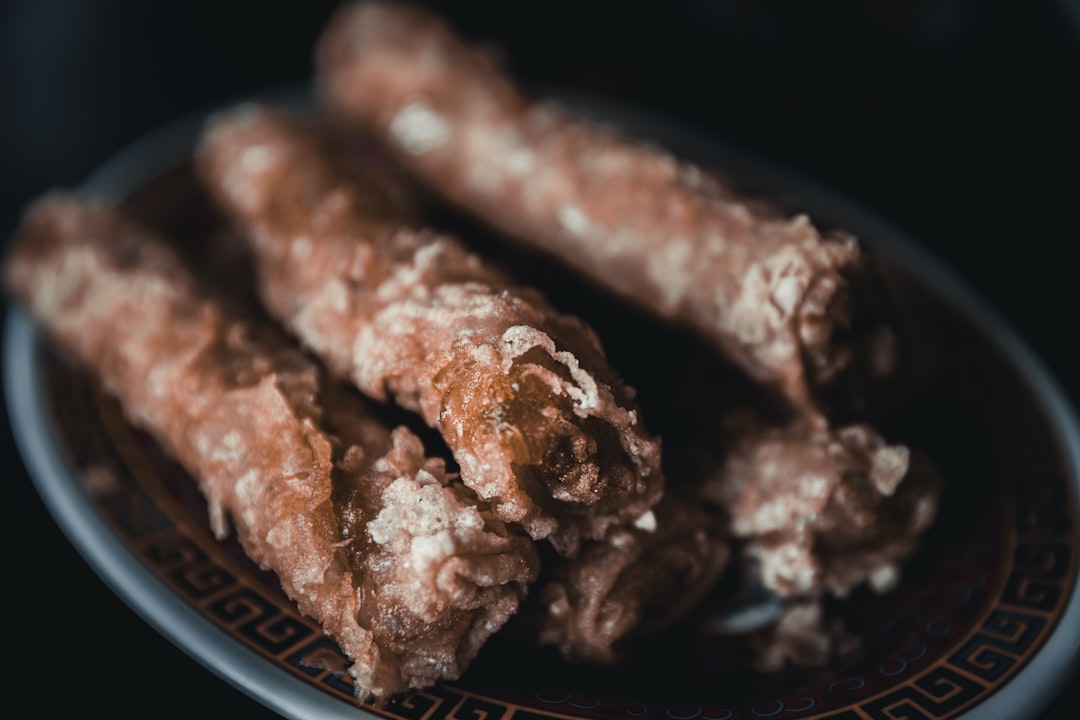
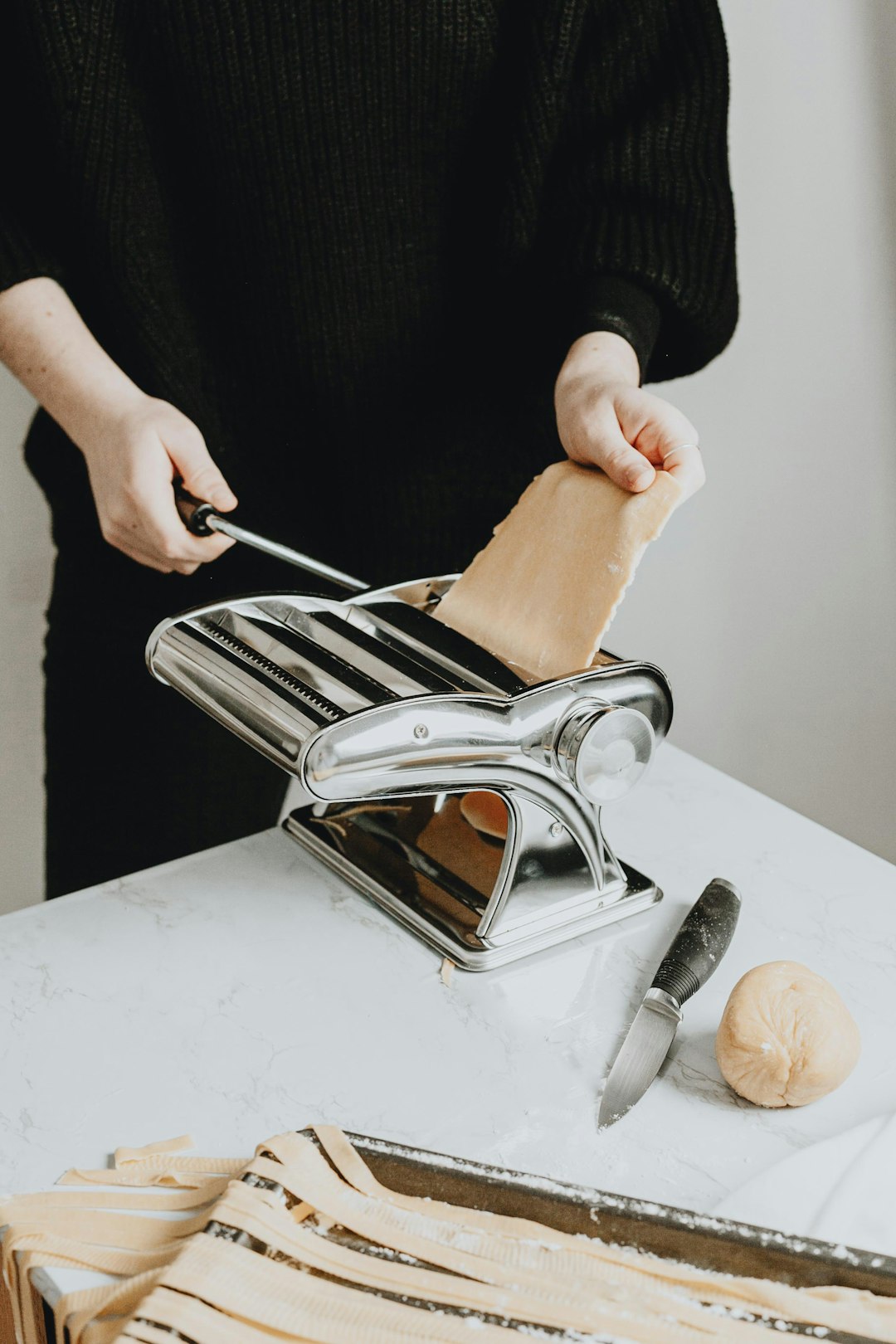
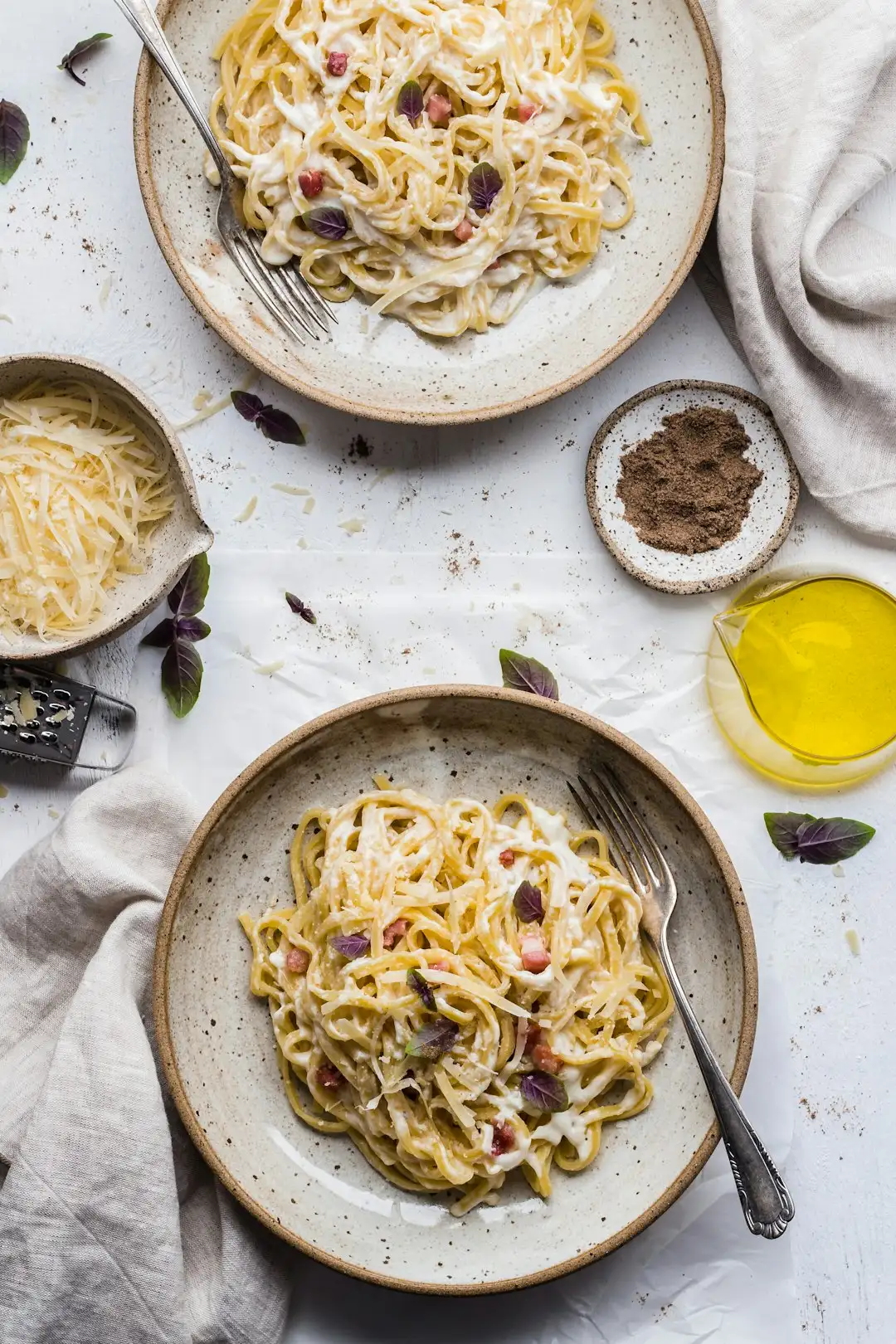
For a more substantial meal, you can make a hearts of palm pasta dish. Cook your favorite pasta according to the package instructions, then sauté sliced hearts of palm with garlic, olive oil, and a little bit of red pepper flakes for some heat. Toss the cooked pasta with the sautéed hearts of palm and add some grated Parmesan cheese for a delicious and satisfying meal. Another option is to make a hearts of palm fritter. Mix chopped hearts of palm with flour, eggs, and a little bit of milk to form a batter. Drop spoonfuls of the batter into hot oil and fry until golden brown. These fritters can be served as an appetizer or a side dish.
When it comes to storing hearts of palm, if you have an unopened can or jar, it can be stored in a cool, dry place for several months. Once opened, transfer the remaining hearts of palm to an airtight container and store them in the refrigerator. They will keep for about a week in the fridge. If you want to store them for a longer period, you can also freeze them. Simply place the hearts of palm in a freezer - safe bag or container and remove as much air as possible before sealing. Frozen hearts of palm can last for up to six months.
In conclusion, hearts of palm are a wonderful ingredient that deserves a place in your kitchen. Their health benefits, delicious taste, and versatility in cooking make them a great addition to any meal. Whether you're a seasoned chef or a beginner in the kitchen, there are countless ways to incorporate hearts of palm into your recipes. So, the next time you're at the grocery store, pick up a can of hearts of palm and start exploring the many culinary possibilities they offer.