Olive oil, often hailed as one of the most heart - healthy ingredients on the planet, is a staple in kitchens around the world. However, not all olive oils are created equal. In this article, we'll take a deep dive into the differences between olive oil and extra - virgin olive oil, and explore the common terms you're likely to encounter on olive oil labels.
Let's start by understanding what makes extra - virgin olive oil so special. Extra - virgin olive oil is the highest grade of olive oil. It is obtained from the first cold pressing of olives, which means that no heat or chemicals are used in the extraction process. This method preserves the natural flavors, nutrients, and antioxidants of the olives. The result is an oil with a rich, fruity taste and a low acidity level, typically less than 0.8%. The flavor can range from mild and buttery to robust and peppery, depending on the type of olives used and the region where they are grown.
On the other hand, regular olive oil is a blend of refined olive oil and virgin olive oil. Refined olive oil is produced by treating virgin olive oil with heat and chemicals to remove impurities and neutralize the flavor. This process makes the oil more stable and gives it a longer shelf life. However, it also strips away some of the natural nutrients and flavors. Regular olive oil has a more neutral taste compared to extra - virgin olive oil, and its acidity level is usually between 1% and 3.3%.
Now, let's look at some of the common terms you might see on olive oil labels. One of the most important terms is "cold - pressed". As mentioned earlier, cold - pressed olive oil is extracted without the use of heat, which helps to retain the oil's nutritional value and flavor. Another term is "first cold - pressed". This indicates that the oil is from the first pressing of the olives, and it is generally considered to be of higher quality.
You may also come across the term "single - origin". Single - origin olive oil is made from olives that are grown in a specific region. This can give the oil unique flavor profiles that are characteristic of that area. For example, olive oil from Tuscany in Italy is known for its robust and peppery flavor, while oil from Andalusia in Spain tends to be milder and more fruity.
"Organic" is another common label term. Organic olive oil is produced using olives that are grown without the use of synthetic pesticides, fertilizers, or genetically modified organisms (GMOs). This not only makes the oil more environmentally friendly but also ensures that it is free from potentially harmful chemicals.
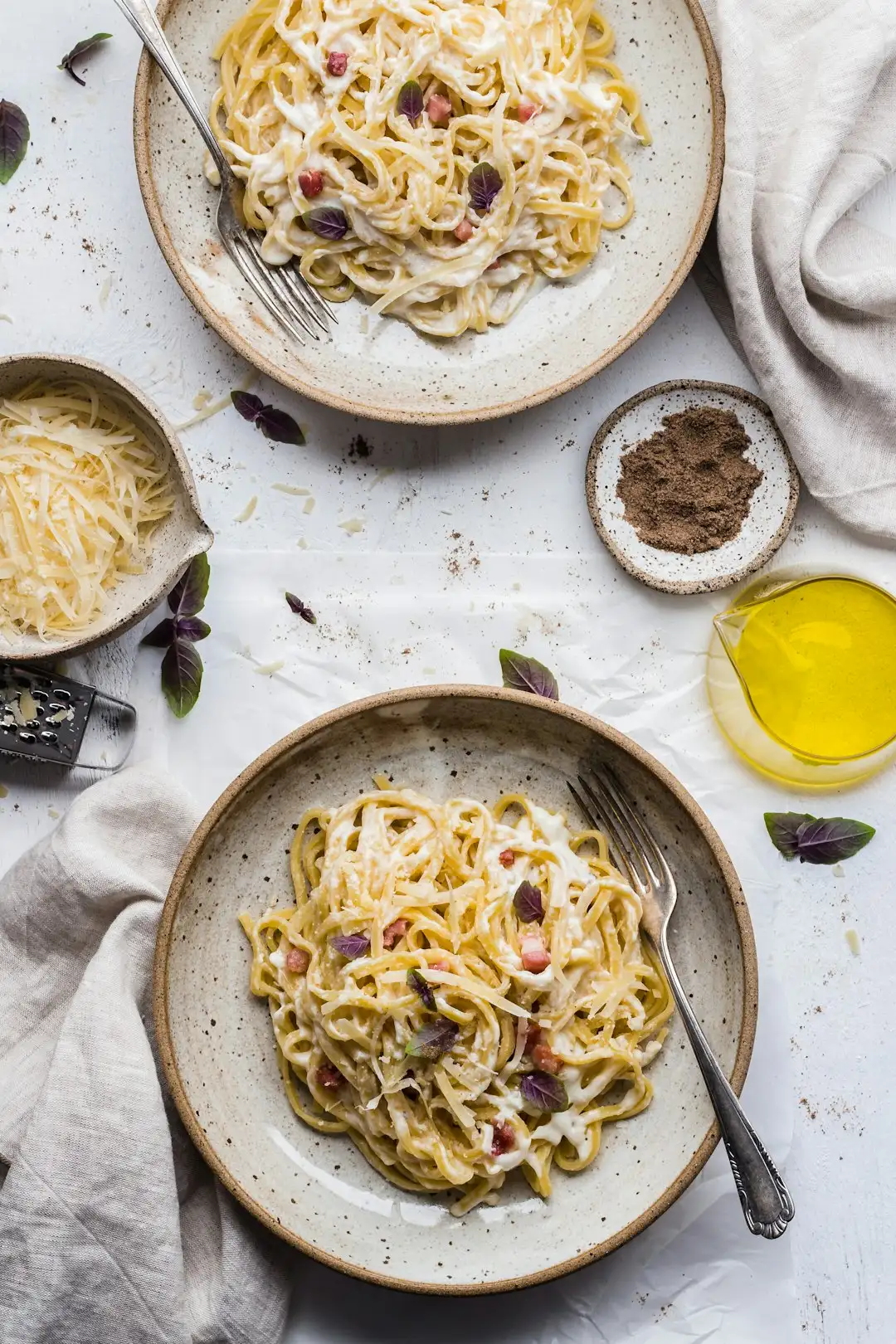
When it comes to cooking with olive oil, the grade you choose can make a big difference. Extra - virgin olive oil is best used for dressings, dips, and finishing dishes. Its rich flavor can enhance the taste of salads, bread, and even desserts. However, because it has a relatively low smoke point (around 320 - 375°F or 160 - 190°C), it is not suitable for high - heat cooking methods like frying.
Regular olive oil, with its higher smoke point (around 390 - 468°F or 199 - 242°C), is a better choice for sautéing, stir - frying, and baking. Its neutral flavor won't overpower the other ingredients in your dish, and it can withstand the higher temperatures without breaking down and producing harmful compounds.
In conclusion, understanding the differences between olive oil and extra - virgin olive oil, as well as the common terms on labels, can help you make more informed choices when purchasing and using olive oil in your cooking. Whether you're looking for a flavorful dressing or a reliable oil for high - heat cooking, there's an olive oil out there that's perfect for your needs.