Unveiling the Mysteries of Convection Ovens and Air Fryers
In the world of modern cooking, two appliances have gained significant popularity: the convection oven and the air fryer. Many home cooks are left wondering if these two are the same and if they can be used interchangeably. Let's dive deep into the features, functions, and differences of these two cooking tools to clear up the confusion.
First, let's understand what a convection oven is. A convection oven is an oven that has a fan and an exhaust system. The fan circulates hot air around the food, which helps in cooking the food more evenly and often faster than a traditional oven. This even distribution of heat means that you can expect more consistent results, whether you're baking a batch of cookies, roasting a chicken, or making a casserole. The convection feature can be turned on or off, allowing you to choose between traditional and convection cooking methods depending on your recipe requirements.
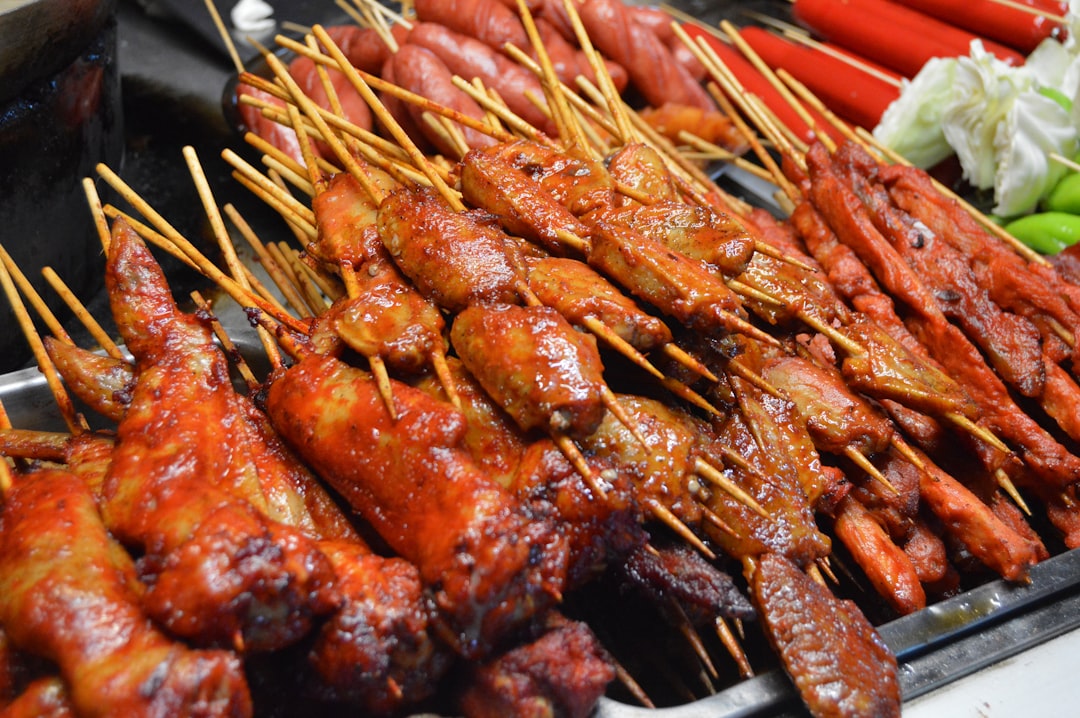
On the other hand, an air fryer is a relatively new addition to the kitchen. It is a counter - top appliance that uses hot air circulation to cook food. The principle behind an air fryer is similar to that of a convection oven, but it is designed specifically to mimic the effect of deep - frying without using a large amount of oil. Air fryers typically have a basket where you place the food, and the hot air circulates around the food, creating a crispy exterior similar to deep - fried food. They are great for making fries, chicken wings, and other crispy snacks.
Now, are they the same? Technically, they share the same basic principle of hot air circulation. However, they are not identical. The main difference lies in their design and intended use. A convection oven is a larger, more versatile appliance that can handle a wide range of cooking tasks, from baking to roasting to broiling. It is a part of the kitchen's built - in or freestanding oven setup. An air fryer, on the other hand, is a smaller, more specialized appliance focused mainly on creating crispy, fried - like foods.
Can you use them in the same way? To some extent, yes. If you have a recipe for an air fryer, you can often adapt it to a convection oven. For example, if a recipe calls for cooking chicken wings in an air fryer at 375°F for 20 minutes, you can try cooking them in a convection oven at the same temperature for a similar amount of time. However, you may need to make some adjustments. In an air fryer, the food is usually in a basket and surrounded by hot air on all sides. In a convection oven, you may need to place the food on a baking sheet and turn it halfway through the cooking process to ensure even cooking.
When it comes to baking, a convection oven is the clear winner. It can handle large batches of cookies, cakes, and bread with ease. The even heat distribution ensures that the baked goods rise properly and have a consistent texture. An air fryer, due to its smaller size and specialized design, is not well - suited for large - scale baking. You may be able to make a small muffin or a single - serving cake, but it won't be as efficient as using a convection oven.
For roasting meats, both appliances can do a great job. A convection oven can roast a whole turkey or a large beef roast, while an air fryer can handle smaller cuts of meat, like chicken thighs or pork chops. The key is to adjust the cooking time and temperature according to the size and type of meat. In a convection oven, you may need to use a roasting rack to allow the hot air to circulate around the meat. In an air fryer, the meat can be placed directly in the basket.
In conclusion, while a convection oven and an air fryer share the principle of hot air circulation, they are different appliances with different strengths. A convection oven is a versatile workhorse for the kitchen, capable of handling a wide variety of cooking tasks. An air fryer is a specialized appliance for creating crispy, fried - like foods. By understanding their differences, you can make the most of these two great cooking tools and create delicious meals in your kitchen.