Pan de muerto, or the "bread of the dead," is a cherished symbol in Mexican culture, especially during the Day of the Dead celebrations. This traditional bread is not just a delicious treat but also a way to honor and remember loved ones who have passed away. In this article, we'll explore the history, significance, and how you can adapt this Mexican tradition to create your own meaningful tribute.
The History and Significance of Pan de Muerto
The origins of pan de muerto can be traced back to pre - Columbian times. The ancient Aztecs had a long - standing tradition of offering food to the dead as a way to nourish their spirits on their journey to the afterlife. When the Spanish conquistadors arrived in Mexico, they brought with them the art of bread - making. Over time, the indigenous traditions merged with the European bread - making techniques, giving birth to the pan de muerto we know today.
Pan de muerto is typically round, symbolizing the cycle of life and death. The dough is often decorated with dough strips that represent bones, and sometimes there are small dough balls on top that symbolize tears or the four elements. The bread is usually flavored with anise, which gives it a unique and comforting aroma.
Ingredients for Pan de Muerto
To make pan de muerto, you'll need the following ingredients:
- 1 package (2 1/4 teaspoons) of active dry yeast
- 1/4 cup of warm water
- 1/4 cup of granulated sugar
- 1/2 cup of milk, warmed
- 1 large egg
- 2 tablespoons of anise seeds, crushed
- 1/2 teaspoon of salt
- 3 1/2 to 4 cups of all - purpose flour
- 2 tablespoons of unsalted butter, softened
- 1 egg white, for brushing
- Additional sugar for sprinkling
The Step - by - Step Cooking Process
1. First, proof the yeast. In a small bowl, combine the warm water, 1 teaspoon of sugar, and the yeast. Let it sit for about 5 - 10 minutes until it becomes foamy. This indicates that the yeast is active.
2. In a large mixing bowl, combine the milk, the remaining sugar, the egg, crushed anise seeds, and salt. Add the proofed yeast mixture to this bowl.
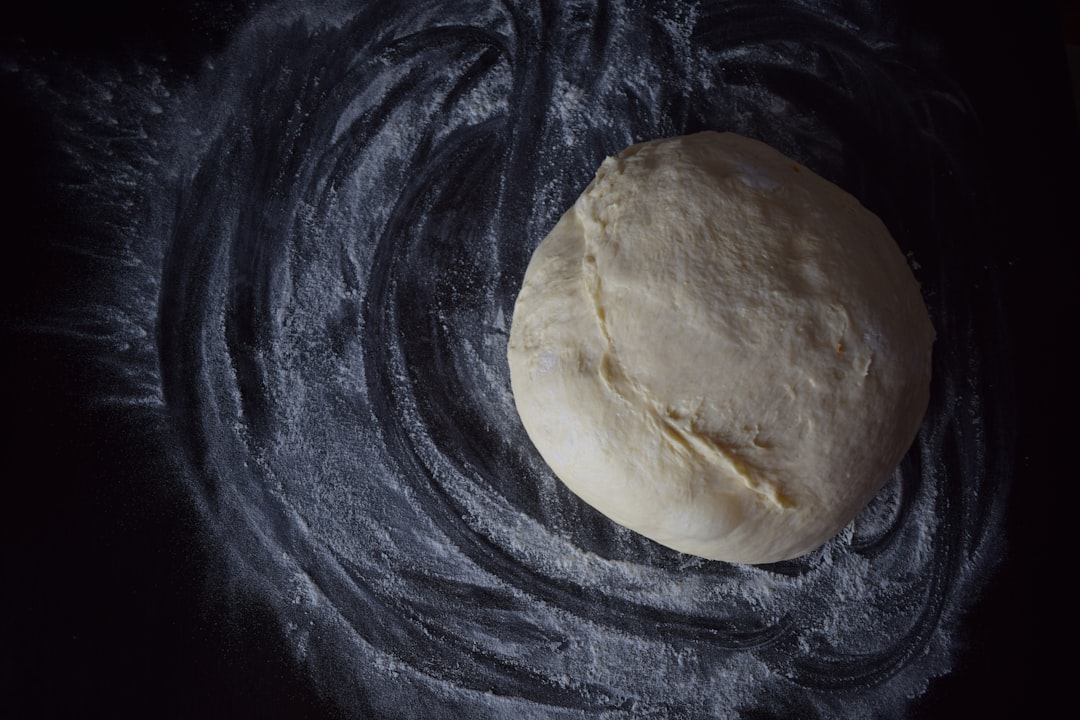
3. Gradually add 3 1/2 cups of flour to the wet ingredients. Stir until a shaggy dough forms. Then, turn the dough out onto a lightly floured surface and knead it. As you knead, add more flour if the dough is too sticky. Knead for about 8 - 10 minutes until the dough is smooth and elastic.
4. Add the softened butter to the dough and continue kneading until the butter is fully incorporated. The dough should be soft but not sticky.
5. Place the kneaded dough in a greased bowl, cover it with a clean kitchen towel, and let it rise in a warm place for about 1 - 1.5 hours or until it doubles in size.
6. Once the dough has risen, punch it down to release the air. Divide the dough into two parts. Shape one part into a large round loaf and place it on a baking sheet lined with parchment paper. Take the other part of the dough and divide it into smaller pieces. Roll these pieces into long strips to represent bones and place them on top of the round loaf.
7. Cover the shaped bread with the towel again and let it rise for another 30 minutes.
8. Preheat your oven to 375°F (190°C). Brush the bread with egg white and sprinkle with additional sugar.
9. Bake the pan de muerto for about 25 - 30 minutes or until it is golden brown on top and sounds hollow when tapped on the bottom.
Adapting the Tradition to Honor Your Loved Ones
While pan de muerto is a central part of the Mexican Day of the Dead celebrations, you can adapt this tradition to honor your own loved ones, regardless of your cultural background. You can set up an altar with photos of your deceased family members and friends, place the pan de muerto on the altar along with other items that remind you of them, such as their favorite flowers, books, or hobbies.
Sharing the pan de muerto with family and friends can also be a way to remember and celebrate the lives of those who have passed away. You can gather around the altar, tell stories about your loved ones, and enjoy the bread together. This simple act can bring a sense of comfort and connection, as you keep the memories of your loved ones alive.
In conclusion, pan de muerto is more than just a bread; it's a powerful symbol of love, remembrance, and the cycle of life. By learning to make this traditional bread and adapting the tradition to your own circumstances, you can create a beautiful and meaningful way to honor the memories of your loved ones.