When it comes to the world of cooking, there are always questions that pop up, and one of the most common ones is about sprouted potatoes. Are they safe to eat? Our experts are here to shed some light on this topic and guide you through the ins and outs of dealing with sprouted spuds.
First, let's understand what happens when a potato sprouts. Potatoes are living organisms, and when they are stored in the right conditions (or sometimes even the wrong ones), they start to sprout. Sprouting is a natural process for potatoes as they try to grow into new plants. During this process, the potato undergoes some chemical changes. One of the most significant changes is the production of solanine, a toxic compound.
Solanine is a natural defense mechanism for potatoes. It is found in the green parts of the potato, including the sprouts and the skin when it turns green. High levels of solanine can cause a range of symptoms in humans, from mild digestive issues like nausea, vomiting, and diarrhea to more severe neurological problems in extreme cases. So, it's crucial to be aware of the solanine content in sprouted potatoes.
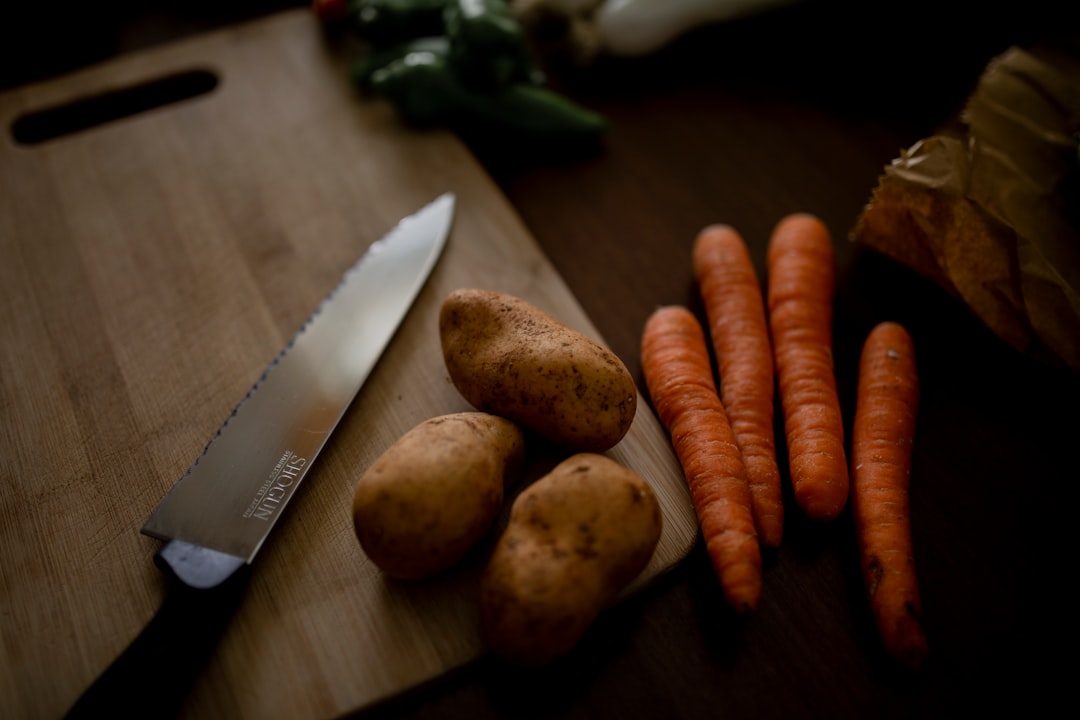
Now, the big question: Is it safe to eat sprouted potatoes? The answer isn't a simple yes or no. It depends on several factors. If the sprouts are very small and the potato doesn't have any green discoloration, you can probably still use it. In this case, you should carefully remove the sprouts and any green parts with a sharp knife. Make sure to cut deep enough to get rid of all the potentially toxic areas. After that, you can cook the potato as you normally would.
However, if the sprouts are long and the potato has a significant amount of green skin, it's best to err on the side of caution and throw it away. The solanine levels in such potatoes are likely to be too high, and consuming them could pose a risk to your health. Remember, it's not worth taking a chance when it comes to your well - being.
When it comes to cooking sprouted potatoes that are still safe to eat, there are many delicious recipes you can try. One classic option is to make mashed potatoes. Start by peeling the potato (after removing the sprouts and green parts), then cut it into small pieces. Boil the potatoes until they are tender, usually for about 15 - 20 minutes. Drain the water and mash the potatoes with a potato masher or a fork. You can add milk, butter, salt, and pepper to taste. Mashed potatoes are a versatile side dish that goes well with almost any main course.
Another great recipe is potato soup. Chop the sprouted - but - safe potatoes into small cubes. In a large pot, heat some olive oil and add onions, carrots, and celery. Sauté them until they are soft. Then, add the potato cubes and enough chicken or vegetable broth to cover them. Bring the mixture to a boil, then reduce the heat and let it simmer for about 20 - 30 minutes until the potatoes are fully cooked. Use an immersion blender to puree the soup until it's smooth. You can add cream, herbs, and a sprinkle of cheese on top for extra flavor.
Potato pancakes are also a popular choice. Grate the sprouted - safe potatoes and squeeze out as much liquid as possible. Mix the grated potatoes with an egg, flour, salt, and pepper. Heat some oil in a pan and drop spoonfuls of the potato mixture into the hot oil. Flatten the pancakes slightly and cook them until they are golden brown on both sides. Serve them with sour cream or applesauce for a delicious treat.
In conclusion, while sprouted potatoes can be a bit of a mystery, with the right knowledge, you can make informed decisions about whether to use them in your cooking. Always check for sprouts and green discoloration, and follow the guidelines we've provided. By doing so, you can enjoy the many delicious potato recipes without putting your health at risk. So, the next time you find a sprouted potato in your pantry, don't panic. Just use your judgment and get creative in the kitchen!