Brussels sprouts, those small, cabbage - like vegetables, have long been a subject of debate on dinner tables. Some people cringe at the thought of them, while others have learned to appreciate their unique flavor. However, the key to truly loving Brussels sprouts lies in knowing the best ways to cook them. In this article, we'll explore various cooking methods that will completely change your perception of this sometimes - polarizing vegetable.
First and foremost, let's talk about roasting. Roasting Brussels sprouts is a classic and highly effective way to bring out their natural sweetness. Start by preheating your oven to 400°F (200°C). Wash the Brussels sprouts thoroughly and trim the ends. Cut them in half, which not only speeds up the cooking process but also exposes more surface area for caramelization. Toss the halved Brussels sprouts in a bowl with a generous drizzle of olive oil. Add a pinch of salt, pepper, and perhaps a sprinkle of garlic powder or paprika for extra flavor. Spread them out in a single layer on a baking sheet lined with parchment paper. Roast for about 25 - 30 minutes, shaking the pan halfway through, until they are golden brown and crispy on the edges. The high - heat roasting caramelizes the natural sugars in the Brussels sprouts, creating a delicious, nutty flavor that is hard to resist.
Another great cooking method is sautéing. Sautéing allows you to control the cooking process more precisely and can result in a tender yet slightly crispy texture. Heat a tablespoon of butter or olive oil in a large skillet over medium - high heat. Once the fat is hot, add the trimmed and halved Brussels sprouts to the pan. Make sure they are in a single layer so that they cook evenly. Cook for about 5 - 7 minutes, stirring occasionally, until they start to turn golden. You can then add a splash of balsamic vinegar or a squeeze of lemon juice to enhance the flavor. The acidity from the vinegar or lemon cuts through the richness of the Brussels sprouts, creating a well - balanced dish. You can also toss in some bacon bits or chopped nuts for added crunch and flavor.
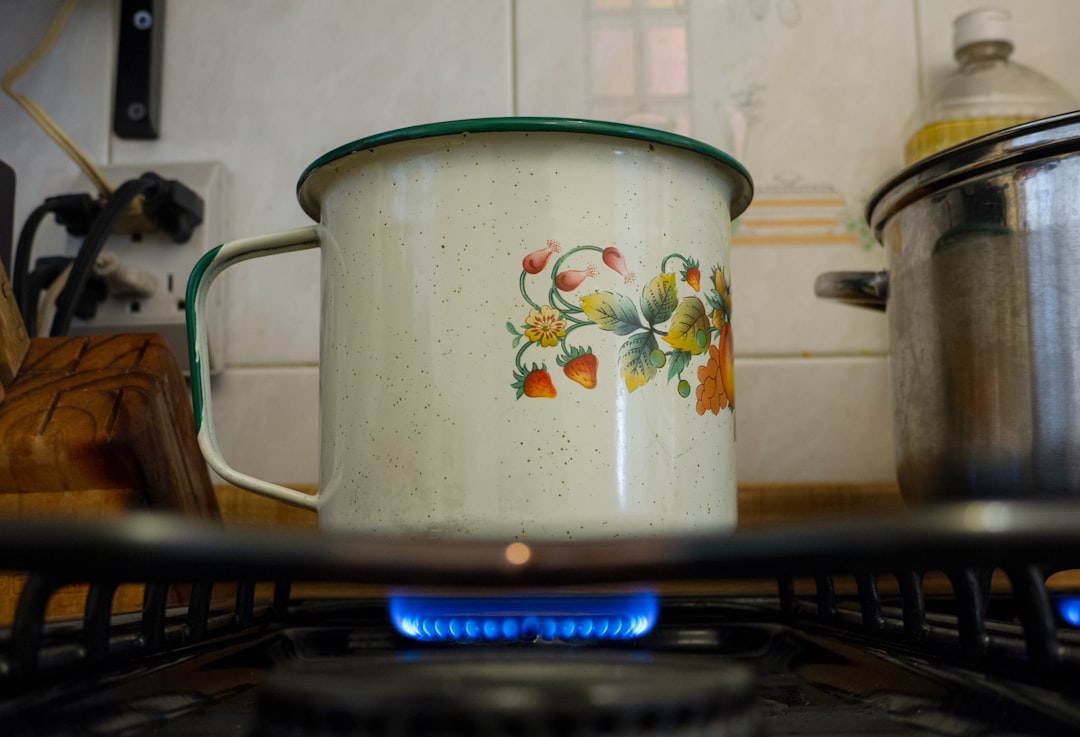
If you're looking for a healthier option, steaming is a great choice. Steaming helps to retain the nutrients in the Brussels sprouts while still making them tender. Fill a pot with about an inch of water and bring it to a boil. Place a steamer basket in the pot and add the whole or halved Brussels sprouts. Cover the pot and steam for about 5 - 8 minutes, depending on the size of the sprouts. You can test for doneness by inserting a fork into a sprout; it should be tender but still have a bit of a bite. Once steamed, you can season the Brussels sprouts with a little bit of olive oil, salt, and pepper, or you can top them with a sprinkle of Parmesan cheese for a cheesy twist.
For those who love a bit of crunch, you can try making Brussels sprout chips. Start by thinly slicing the Brussels sprouts using a sharp knife or a mandoline. Place the slices in a bowl and toss them with a small amount of olive oil, salt, and your favorite seasonings, such as chili powder or cumin. Spread the slices out in a single layer on a baking sheet lined with parchment paper. Bake at 300°F (150°C) for about 15 - 20 minutes, or until the slices are crispy. These chips make for a great snack or a unique addition to a salad.
In conclusion, there are numerous ways to cook Brussels sprouts, each offering a different flavor and texture profile. Whether you prefer the caramelized sweetness of roasted Brussels sprouts, the tender - yet - crispy texture of sautéed ones, the nutrient - rich goodness of steamed sprouts, or the crunchy delight of Brussels sprout chips, there's a cooking method out there for everyone. So, the next time you see Brussels sprouts at the grocery store, don't be afraid to give them a try. With these cooking tips, you might just find yourself becoming a Brussels sprout convert.