When it comes to baking, the choice of sugar can significantly impact the outcome of your treats. Our test kitchen has delved deep into the art of substituting brown sugar for white sugar in baked goods, and we're here to share our valuable insights with you.
First, let's understand the differences between brown sugar and white sugar. White sugar, also known as granulated sugar, is pure sucrose. It provides a clean, sweet flavor and helps with browning and caramelization in baking. On the other hand, brown sugar is a combination of white sugar and molasses. The molasses gives brown sugar its characteristic color, moist texture, and rich, caramel - like flavor.
So, when should you make the swap? If you're looking to add a deeper, more complex flavor to your baked goods, brown sugar is an excellent choice. For example, in cookies, substituting brown sugar for white sugar can result in a chewier texture and a more intense, caramelized taste. In cakes, it can add moisture and a hint of that delicious molasses flavor. And in bread, brown sugar can contribute to a darker crust and a slightly sweeter, more nuanced flavor.
Now, let's talk about how to make the substitution. In most cases, you can substitute brown sugar for white sugar on a one - to - one basis. However, there are a few things to keep in mind. Since brown sugar is moister than white sugar, you may need to adjust the liquid in your recipe. If you're using all brown sugar instead of white sugar, you might want to reduce the amount of other liquids in the recipe slightly to avoid a too - wet batter or dough. For example, if you're making a cake and you swap all the white sugar for brown sugar, you could reduce the milk or water by about 1 - 2 tablespoons per cup of sugar substituted.
Another important consideration is the impact on the texture of your baked goods. As mentioned earlier, brown sugar can make cookies chewier. If you prefer a crisper cookie, you might want to use a combination of white and brown sugar. For cakes, the extra moisture from brown sugar can make them more tender and moist, but it can also affect the rise. You may need to adjust the leavening agents slightly. For instance, if you're using baking powder or baking soda, you might want to increase the amount by about 1/8 to 1/4 teaspoon per cup of sugar substituted to ensure proper rising.
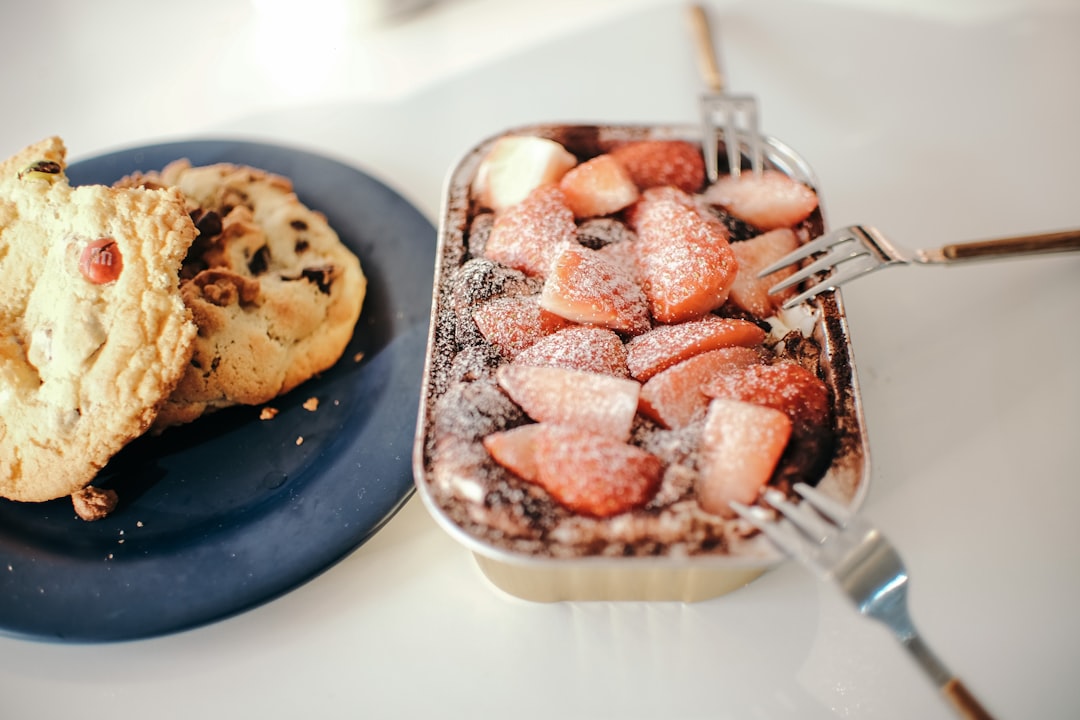
Let's look at some specific recipes where brown sugar substitution can shine. In chocolate chip cookies, replacing half of the white sugar with brown sugar will give you cookies that are chewier and have a more intense caramel flavor. Start by creaming together butter, the combined sugars, and an egg. Then add flour, baking soda, and chocolate chips. The result will be a batch of cookies that are both delicious and have a unique twist.
In banana bread, using brown sugar instead of white sugar can enhance the natural sweetness of the bananas and add a rich, molasses undertone. Mash ripe bananas, mix in brown sugar, eggs, and melted butter. Then add flour, baking powder, and a pinch of salt. The brown sugar will help the bread develop a beautiful, golden - brown crust and a moist, flavorful interior.
When making cinnamon rolls, brown sugar is a must - have. The combination of brown sugar and cinnamon creates a sweet, sticky filling that is simply irresistible. Spread softened butter on a rolled - out dough, sprinkle with a mixture of brown sugar and cinnamon, and then roll up the dough. Bake until golden brown, and top with a cream cheese frosting. The brown sugar not only adds sweetness but also helps create that gooey, caramel - like filling that makes cinnamon rolls so popular.
It's also important to note that the quality of the brown sugar matters. Look for high - quality brown sugar with a good balance of molasses. If your brown sugar has hardened, you can soften it by placing it in a sealed container with a slice of bread or a damp paper towel for a few hours. This will help restore its moisture and make it easier to use in your recipes.
In conclusion, substituting brown sugar for white sugar in baked goods can open up a world of new flavors and textures. By understanding when and how to make the swap, and making the necessary adjustments to your recipes, you can create delicious treats that are sure to impress your family and friends. So, the next time you're in the kitchen, don't be afraid to reach for that bag of brown sugar and experiment with your favorite baked goods.