When it comes to baking, achieving the perfect texture in your desserts is an art form. One of the most crucial techniques that can elevate your baked goods from ordinary to extraordinary is learning how to beat egg whites to stiff peaks. This seemingly simple step can make a world of difference, giving your cakes, meringues, and soufflés that light - as - air quality we all love.
First, let's understand why beating egg whites to stiff peaks is so important. Egg whites are made up of water, proteins, and a small amount of carbohydrates. When you beat them, the proteins in the egg whites unfold and form a network that traps air bubbles. These air bubbles expand during baking, causing your desserts to rise and become fluffy. Without properly beaten egg whites, your desserts may end up dense and heavy.
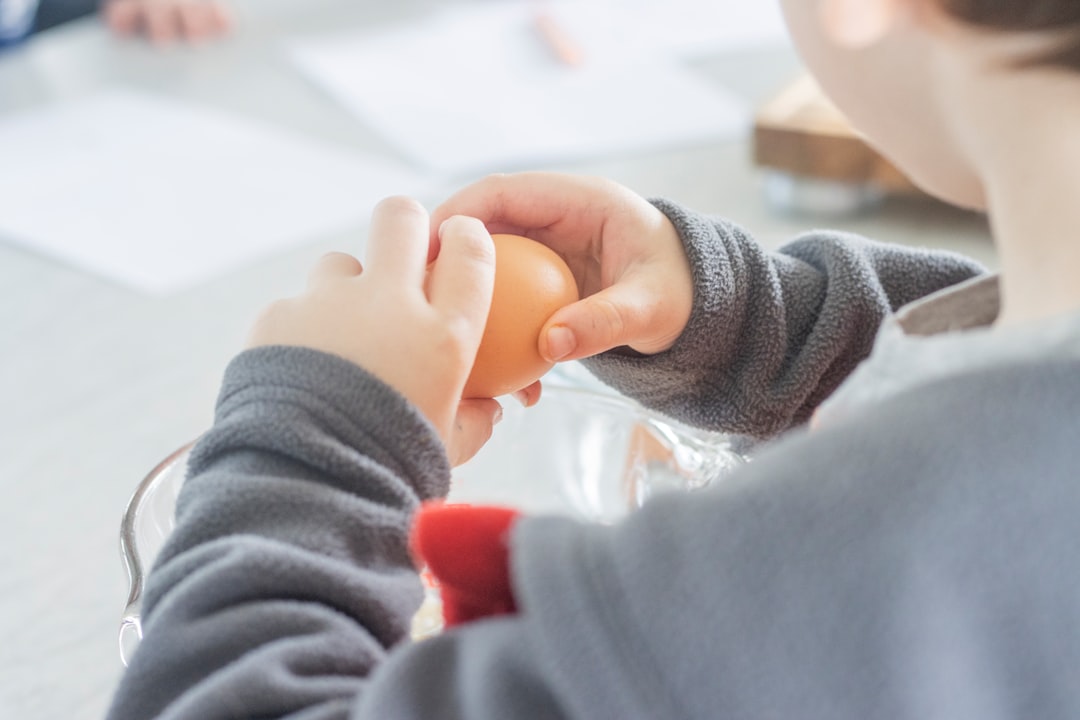
Now, let's talk about the best method to beat egg whites for stiff peaks. The first thing you need is a clean and dry mixing bowl. Any trace of fat or grease can prevent the egg whites from reaching their full potential. Even a small drop of yolk can interfere with the foaming process, so make sure your eggs are separated carefully. You can use an egg separator or crack the egg gently on a flat surface and transfer the yolk back and forth between the two halves of the shell, letting the white drip into a bowl.
Once you have your clean bowl and separated egg whites, it's time to start beating. You can use either a hand mixer or a stand mixer. If you're using a hand mixer, start on a low speed to break up the egg whites and incorporate some air. As the egg whites begin to foam, gradually increase the speed. If you're using a stand mixer, attach the whisk attachment and start on a medium - low speed. This initial slow beating helps to distribute the air evenly throughout the egg whites.
As you continue to beat, you'll notice that the egg whites will go through several stages. First, they'll become foamy and opaque. This is the soft - foam stage. At this point, you can add a pinch of cream of tartar or a few drops of lemon juice. Cream of tartar or lemon juice helps to stabilize the egg whites and gives them a better structure. It also helps to prevent over - beating, which can cause the egg whites to become dry and curdled.
After adding the cream of tartar or lemon juice, keep beating the egg whites. They'll start to become more voluminous and turn into a soft - peak stage. You can test for soft peaks by lifting the beaters out of the egg whites. The peaks should droop slightly at the tips. This is a good sign that you're on the right track.
Finally, continue beating until you reach the stiff - peak stage. To test for stiff peaks, lift the beaters again. The peaks should stand straight up without drooping. Be careful not to over - beat the egg whites at this stage. Over - beaten egg whites will start to look dry and grainy, and they'll lose their ability to hold air, which can ruin your dessert.
So, how long does it take to beat egg whites to stiff peaks? The time can vary depending on several factors, such as the temperature of the eggs, the power of your mixer, and the number of egg whites. Generally, it can take anywhere from 3 to 8 minutes. Room - temperature egg whites tend to beat faster than cold egg whites because the proteins are more flexible at room temperature.
Once you've beaten your egg whites to stiff peaks, it's important to use them right away. Egg whites can start to deflate over time, especially if they're exposed to air or if they're not handled gently. When folding the beaten egg whites into other ingredients, use a rubber spatula and be gentle. Cut through the center of the mixture, scrape along the bottom of the bowl, and then fold the mixture over on itself. Repeat this motion until the ingredients are just combined. Over - mixing can cause the egg whites to lose their air bubbles and deflate.
In conclusion, mastering the art of beating egg whites to stiff peaks is a fundamental skill for any baker. With a little practice and patience, you can ensure that your desserts are always light, fluffy, and delicious. So, the next time you're in the kitchen, don't be afraid to take the time to beat those egg whites to perfection. Your taste buds will thank you!