Mastering Chicken Cooking: Safety First
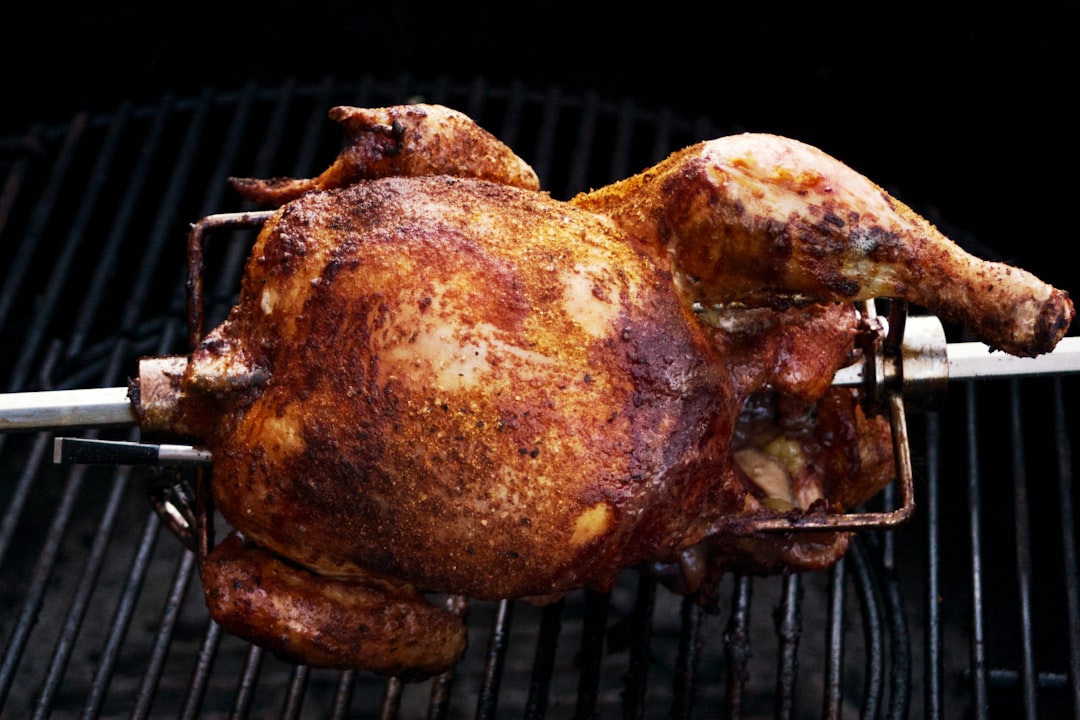
When it comes to cooking chicken, safety should always be your top priority. The Centers for Disease Control and Prevention (CDC) and the United States Department of Agriculture (USDA) have provided valuable recommendations to ensure that you cook chicken safely and avoid potential health risks.
One of the most important guidelines is to never rinse raw chicken. Many people have the misconception that rinsing raw chicken helps to clean it, but in fact, it can spread harmful bacteria such as Salmonella and Campylobacter around your kitchen. When you rinse chicken, tiny droplets of water containing these bacteria can splash onto your countertops, sink, utensils, and other surfaces, increasing the risk of cross - contamination. Instead of rinsing, simply pat the chicken dry with a paper towel before cooking.
Proper storage of chicken is also crucial. When you bring chicken home from the store, it should be refrigerated immediately. Chicken should be stored at a temperature of 40°F (4°C) or below. If you're not going to cook the chicken within two days, it's best to freeze it. When thawing frozen chicken, do it safely. You can thaw chicken in the refrigerator, which is the safest method as it keeps the chicken at a consistent, safe temperature. Another option is to thaw it in cold water, but make sure the chicken is in a leak - proof plastic bag and change the water every 30 minutes. Avoid thawing chicken at room temperature, as this allows bacteria to multiply rapidly.
When it comes to cooking chicken, using a food thermometer is essential. Different parts of the chicken have different safe internal temperatures. For whole chicken, it should reach an internal temperature of 165°F (74°C) in the thickest part of the breast, the innermost part of the thigh, and the wing joint. For chicken breasts, the safe internal temperature is also 165°F (74°C). Chicken thighs and drumsticks should reach the same temperature. Insert the food thermometer into the thickest part of the meat, away from the bone, to get an accurate reading. Cooking chicken to the proper temperature kills harmful bacteria and ensures that it is safe to eat.
Cleanliness in the kitchen is a key factor in safe chicken cooking. Wash your hands thoroughly with soap and water for at least 20 seconds before and after handling raw chicken. Use separate cutting boards and utensils for raw chicken and other foods. After using cutting boards, utensils, and countertops that have come into contact with raw chicken, wash them with hot, soapy water and sanitize them. You can use a solution of one tablespoon of unscented, liquid chlorine bleach per gallon of water to sanitize surfaces.
Marinating chicken can add flavor, but it also needs to be done safely. Marinate chicken in the refrigerator, not at room temperature. If you plan to use some of the marinade as a sauce for the cooked chicken, reserve a portion before adding the raw chicken to the marinade. This way, you avoid using a sauce that has been contaminated with raw chicken juices.
Finally, leftovers should be handled properly. Refrigerate cooked chicken within two hours of cooking. Leftover chicken can be stored in the refrigerator for 3 - 4 days or frozen for 2 - 6 months. When reheating chicken, make sure it reaches an internal temperature of 165°F (74°C). By following these safety guidelines from the CDC and USDA, you can enjoy delicious and safe chicken dishes every time you cook.