In the bustling world of cooking, aluminum foil and parchment paper stand as two stalwart allies in our kitchens. They are like the unsung heroes, quietly assisting us in our culinary adventures. However, it's not uncommon to find ourselves in a situation where we have an abundance of one and are desperately running out of the other. So, the burning question arises: Can you use aluminum foil instead of parchment paper?
Let's first understand the characteristics of these two kitchen essentials. Aluminum foil is a thin sheet of aluminum metal. It is highly malleable, which means you can easily shape it to fit any pan or container. It is also an excellent conductor of heat. This property makes it great for tasks like wrapping food for baking or roasting, as it can transfer heat efficiently to the food inside. For example, when you're making a foil packet of vegetables for the grill, the foil helps to cook the vegetables evenly by distributing the heat around them.
On the other hand, parchment paper is a type of paper that has been treated to be non - stick and heat - resistant. It is porous, allowing steam to escape during the cooking process. This is particularly useful when baking, as it helps to prevent the food from becoming soggy. When you're baking cookies, for instance, parchment paper ensures that the cookies don't stick to the baking sheet and also allows the moisture to evaporate, resulting in a crispy exterior.
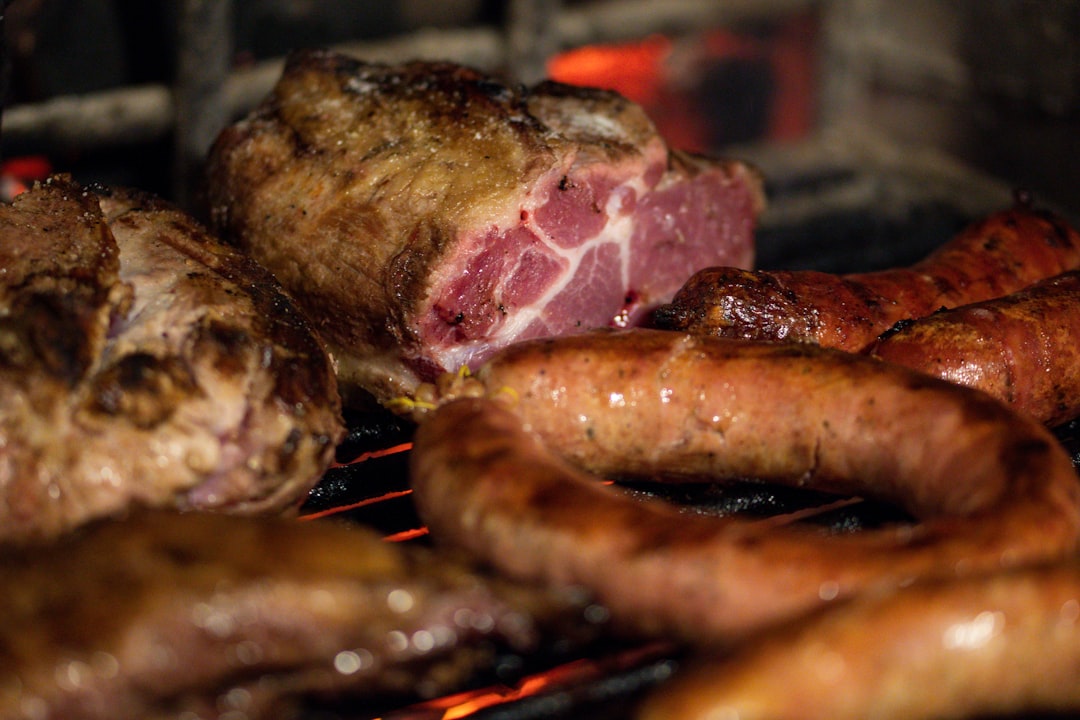
Now, let's explore the scenarios where you can use aluminum foil as a substitute for parchment paper. One of the most common situations is when you're roasting meat or vegetables. Aluminum foil can be used to line the baking pan. It will catch any drippings from the food, making cleanup a breeze. You can also wrap the food in foil to create a sealed environment, which is great for slow - roasting. The foil will trap the steam and flavors inside, resulting in tender and juicy meat.
However, there are also limitations to using aluminum foil instead of parchment paper. In baking, especially for delicate items like pastries or cakes, parchment paper is often the better choice. Aluminum foil is not as non - stick as parchment paper. If you use foil to line a cake pan, the cake may stick to the foil, and it can be difficult to remove the cake intact. Also, the shiny surface of aluminum foil can reflect heat, which may cause uneven baking. For example, the edges of a cake may brown too quickly while the center remains undercooked.
Another aspect to consider is the chemical reaction. Aluminum foil can react with acidic foods. If you're cooking something like tomatoes or citrus fruits in aluminum foil, the acid in the food can cause the aluminum to leach into the food. This not only affects the taste of the food but can also be a health concern in large quantities. Parchment paper, being made of paper, does not have this issue and is safe to use with all types of foods.
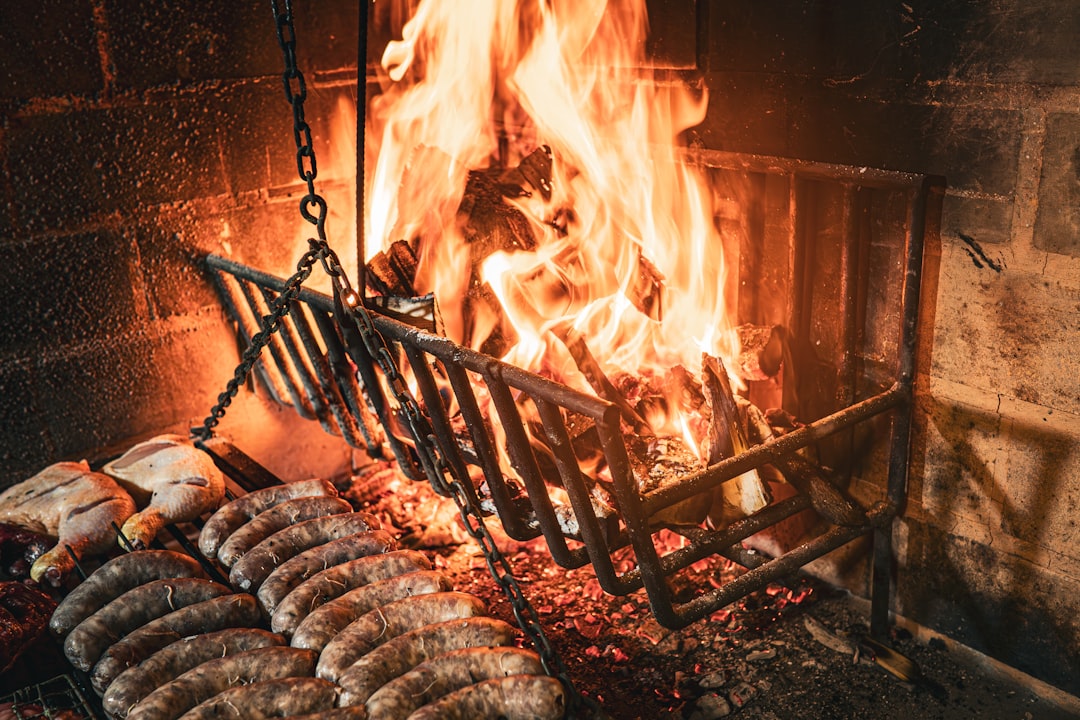
When it comes to grilling, aluminum foil can be a great alternative to parchment paper. You can create foil packets to cook vegetables or fish on the grill. The foil will protect the food from direct flames and prevent it from falling through the grill grates. It also helps to lock in the flavors and moisture of the food. But again, if you're grilling something that is very sticky, like glazed chicken wings, parchment paper may be a better option as it will prevent the food from sticking to the foil.
In conclusion, while aluminum foil can be used as a substitute for parchment paper in some situations, it's not a one - size - fits - all solution. Understanding the properties of both materials and the specific requirements of your recipe is crucial. So, the next time you find yourself short on parchment paper, you can make an informed decision about whether aluminum foil will do the job or if it's worth making a quick trip to the store for the real thing. Happy cooking!