The Hidden Truths of Produce Washing
When it comes to the world of fruits and vegetables, one question that often arises is whether washing your produce with salt is necessary to remove dirt and bacteria. This topic has sparked numerous debates among health - conscious individuals, home cooks, and food enthusiasts alike. Let's delve into the details and find out the real deal.
First of all, let's understand the role of dirt and bacteria on produce. Fruits and vegetables are grown in soil, which is teeming with various microorganisms. Some of these bacteria can be harmful to human health, especially if ingested. Dirt, on the other hand, not only makes the produce look unappealing but can also harbor these unwanted bacteria. So, the need to clean produce thoroughly is undeniable. But does salt come into the picture?
Washing produce with salt has been a long - standing practice in many cultures. Salt is known for its antibacterial properties. When you soak your fruits and vegetables in a saltwater solution, the salt can help break down the cell walls of some bacteria, effectively killing them. For example, a simple solution of about one - tablespoon of salt per liter of water can be used to soak leafy greens like spinach or lettuce. The saltwater penetrates the crevices of the leaves, dislodging dirt and getting rid of bacteria that might be hiding there.
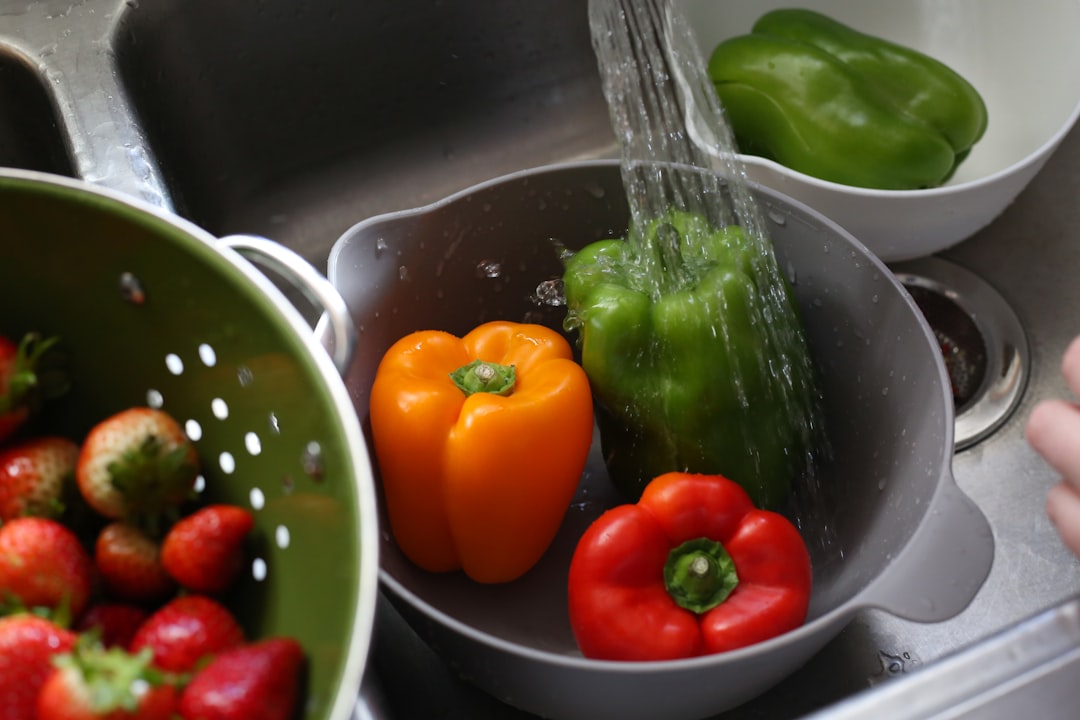
However, the question of necessity is a bit more complex. In many cases, a good rinse under running water can be sufficient to remove most of the surface dirt and some bacteria. Modern agricultural practices also involve the use of pesticides and other chemicals, and a saltwater wash may not be enough to remove these substances completely. Some people rely on commercial produce washes, which are specifically formulated to break down pesticides and remove bacteria. But these products can be expensive and may contain chemicals that some consumers prefer to avoid.
Now, let's talk about the impact on taste and texture. The use of salt in washing produce can potentially affect both. For fruits, a saltwater wash might leave a slight salty after - taste, especially if the fruit has a thin skin or is porous. For example, strawberries are very delicate, and a saltwater soak for too long can make them taste a bit off. On the other hand, vegetables like cucumbers or carrots may be less affected by the taste, but the texture could change. Salt can draw out moisture from the vegetables, making them a bit softer. This might not be a problem if you're planning to cook the vegetables, but if you're eating them raw in a salad, it could be a concern.
When it comes to cooking with washed produce, the way you handle it after washing matters. If you've used salt to wash your vegetables, make sure to rinse them thoroughly under running water to remove any residual salt. This will prevent the over - salting of your dishes. For recipes, the type of produce and the cooking method play a crucial role. For instance, if you're making a stir - fry with vegetables that have been salt - washed, you might need to adjust the amount of salt you add during cooking.
In conclusion, while washing produce with salt can be an effective way to remove dirt and bacteria, it's not always necessary. A simple rinse under running water can often do the job. And when considering the impact on taste and texture, it's important to weigh the benefits against the potential drawbacks. As home cooks, we should be informed about these aspects so that we can make the best choices for our health and the enjoyment of our meals.
Whether you choose to use salt or not, the most important thing is to ensure that your fruits and vegetables are clean before consumption. This way, you can savor the natural flavors of these wonderful gifts from nature while keeping yourself safe from harmful bacteria.