In the world of food, knowledge is power, especially when it comes to the safety and quality of the produce we consume. The Environmental Working Group's 2024 Dirty Dozen list has once again shed light on the produce items that are most heavily contaminated with pesticides. Among them, strawberries and spinach top the list, a fact that has significant implications for how we cook and store these ingredients.
Strawberries, with their sweet and juicy flavor, are a favorite among many. However, the high pesticide residue on strawberries means that extra care must be taken when handling them. When cooking with strawberries, it is crucial to wash them thoroughly. A simple rinse under running water may not be enough to remove all the pesticides. One effective method is to soak the strawberries in a solution of water and vinegar. Mix one part vinegar with three parts water and let the strawberries soak for about 10 - 15 minutes. Then, rinse them well under running water. This process can significantly reduce the pesticide residue on the strawberries.
Spinach, a nutrient - rich leafy green, is another item on the Dirty Dozen list. When it comes to cooking spinach, there are several ways to ensure its safety. First, remove any wilted or damaged leaves before washing. Similar to strawberries, spinach should be washed more than just a quick rinse. You can fill a large bowl with cold water and gently swish the spinach leaves around. Then, lift the spinach out of the water, leaving the dirt and potential pesticides at the bottom of the bowl. Repeat this process a few times until the water remains clear.
Proper food storage also plays a vital role in maintaining the safety of these produce items. Strawberries are highly perishable. After washing and drying them thoroughly, place them in a single layer on a paper - towel - lined plate or container. Cover the container with a lid or plastic wrap and store it in the refrigerator. This helps to keep the strawberries fresh and reduces the risk of mold growth. Spinach should be stored in a plastic bag with a paper towel to absorb excess moisture. Squeeze out as much air as possible from the bag before sealing it and place it in the refrigerator. This helps to prevent the spinach from wilting and keeps it crisp for a longer time.
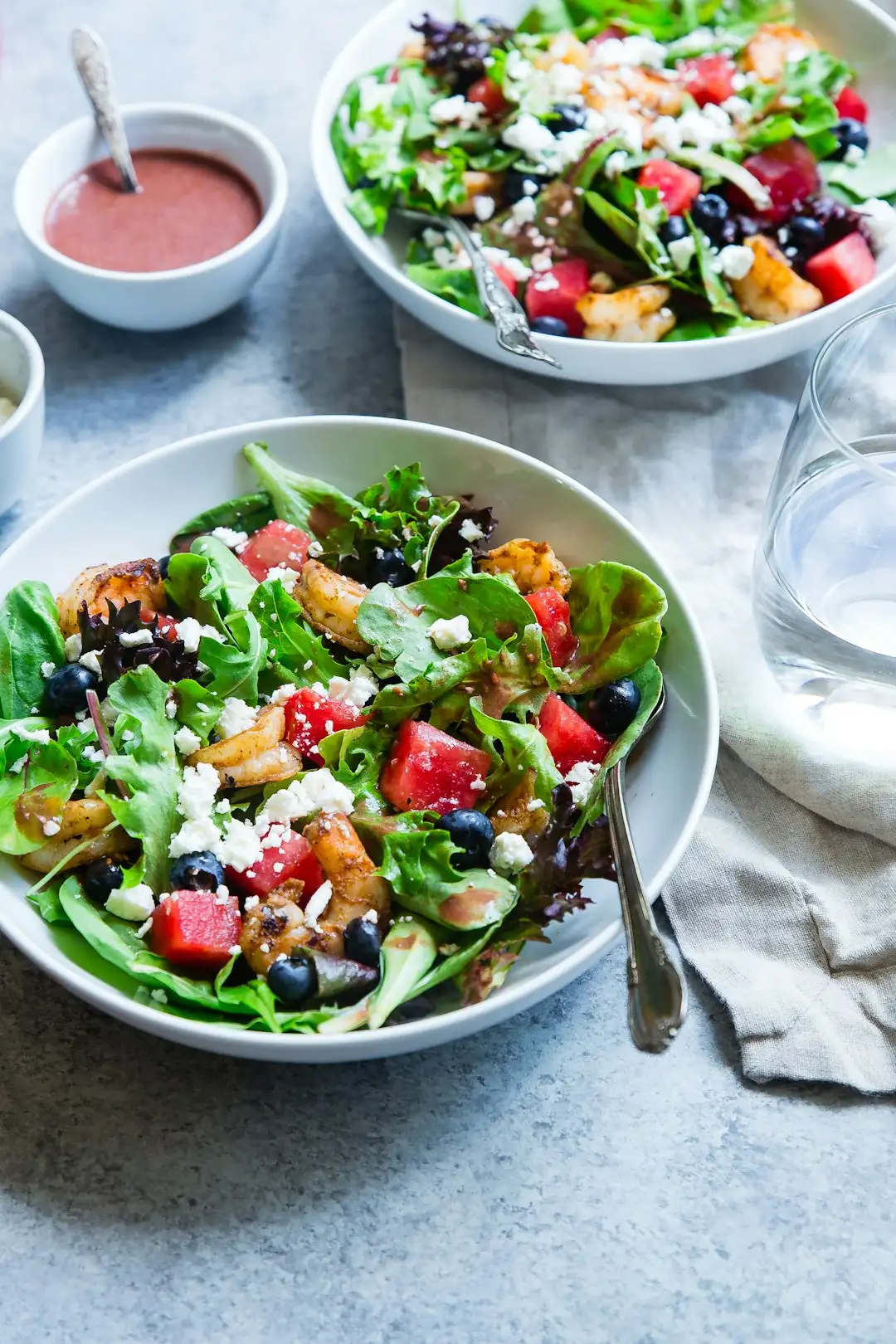
When it comes to recipes, there are numerous ways to incorporate strawberries and spinach into delicious and healthy meals. For strawberries, you can make a strawberry smoothie. Blend fresh strawberries with yogurt, milk, and a little honey for a refreshing and nutritious drink. You can also make a strawberry salad by combining sliced strawberries with mixed greens, feta cheese, and a light vinaigrette. The sweet strawberries contrast nicely with the savory feta and the fresh greens.
Spinach can be used in a variety of cooked dishes. One classic recipe is spinach and ricotta stuffed shells. Cook the pasta shells according to the package instructions. In a pan, sauté minced garlic in olive oil until fragrant. Add fresh spinach and cook until it wilts. Mix the cooked spinach with ricotta cheese, Parmesan cheese, and a pinch of nutmeg. Stuff the mixture into the cooked pasta shells and top with marinara sauce and more Parmesan cheese. Bake in the oven until the cheese is melted and bubbly.
It is important to note that while the Dirty Dozen list highlights the produce with the highest pesticide residues, it does not mean that these items are completely unsafe to eat. By following proper washing, storage, and cooking methods, we can enjoy the delicious flavors and nutritional benefits of strawberries and spinach while minimizing our exposure to pesticides. As consumers, we have the power to make informed choices about the food we buy and how we prepare it. By being aware of the potential risks associated with certain produce items and taking the necessary precautions, we can ensure that our meals are not only delicious but also safe and healthy.
Furthermore, supporting local farmers who practice organic farming methods can also be a great way to reduce our exposure to pesticides. Organic strawberries and spinach are grown without the use of synthetic pesticides, making them a safer option. When shopping at the farmers' market, look for the organic certification label to ensure that you are getting truly organic produce. This not only benefits our health but also supports sustainable agriculture practices.
In conclusion, the 2024 Dirty Dozen list serves as a reminder of the importance of food safety and proper cooking and storage techniques. Strawberries and spinach, despite being on the list, can still be enjoyed in a variety of delicious recipes. By taking the time to wash, store, and cook them properly, we can savor their flavors while protecting our health. Whether it's a refreshing strawberry smoothie or a hearty spinach - stuffed dish, there are endless possibilities to explore in the kitchen with these two versatile ingredients.