The Hidden Dangers and Precautions of BBQ Foods
When it comes to outdoor gatherings like BBQs, picnics, or potlucks, food is often the centerpiece of the event. However, not all foods are created equal when it comes to safety and proper handling. In this article, we'll explore some key foods that require extra care during these occasions, as well as provide essential tips on food storage, safety, and cooking.
1. Meats and Poultry
Meats and poultry are staples at BBQs, but they also pose a significant risk if not handled correctly. Raw meats can be contaminated with harmful bacteria such as Salmonella, E. coli, and Campylobacter. To ensure safety:
- Proper Storage: Keep raw meats and poultry in the refrigerator until you're ready to cook them. If you're transporting them to a picnic or potluck, use a cooler with plenty of ice packs to maintain a temperature below 40°F (4°C).
- Separate from Other Foods: Use separate cutting boards, utensils, and plates for raw meats and cooked foods to prevent cross - contamination. For example, if you use a knife to cut raw chicken and then use the same knife to slice vegetables without washing it first, you could transfer harmful bacteria to the vegetables.
- Cooking Thoroughly: Use a meat thermometer to ensure that meats and poultry are cooked to the proper internal temperature. For beef, pork, veal, and lamb steaks, roasts, and chops, the internal temperature should reach 145°F (63°C) with a three - minute rest time. Ground meats should be cooked to 160°F (71°C), and poultry should reach 165°F (74°C).
2. Seafood
Seafood is another popular choice for outdoor gatherings, but it can be particularly perishable. Fish and shellfish can contain bacteria and viruses, and some types may even have natural toxins.
- Freshness: Purchase seafood from a reputable source and check for signs of freshness, such as clear eyes, shiny skin, and a mild, ocean - like smell. Avoid seafood that has a strong, fishy odor or appears slimy.
- Storage: Similar to meats, keep seafood refrigerated or on ice until cooking. If you're taking it to a picnic, make sure it's well - insulated in a cooler. Do not leave seafood at room temperature for more than two hours (or one hour if the temperature is above 90°F or 32°C).
- Cooking: Cook seafood thoroughly. For fish, it should flake easily with a fork. Shrimp, lobster, and crab should turn opaque and pink. Oysters, clams, and mussels should open during cooking; discard any that remain closed.
3. Dairy Products
Dairy products like cheese, milk, and yogurt are commonly included in potluck spreads. However, they are also a breeding ground for bacteria when left at the wrong temperature.
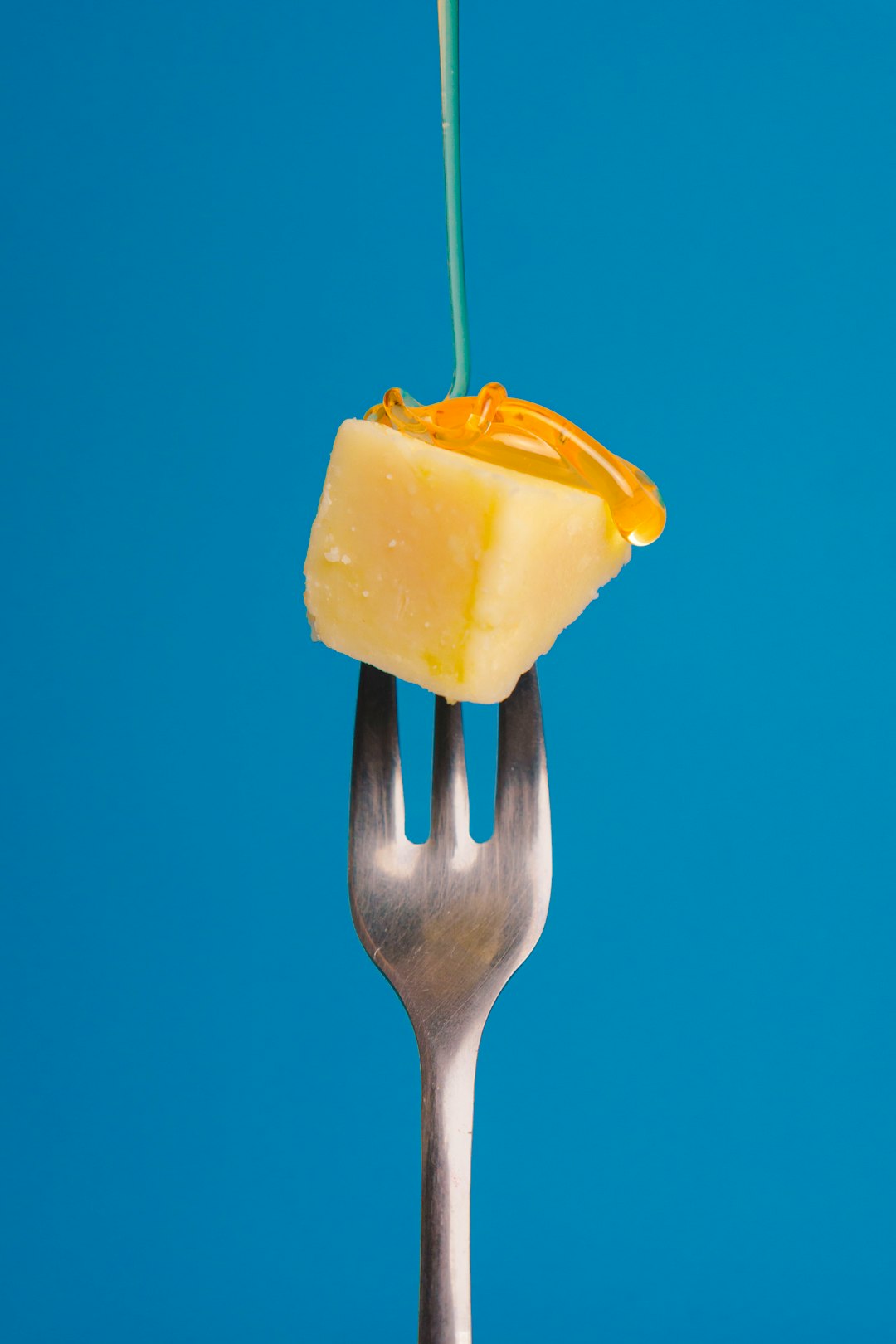
- Storage: Keep dairy products refrigerated at all times. If you're bringing them to an outdoor event, use a cooler with ice packs. Soft cheeses, such as brie and camembert, are more perishable than hard cheeses and should be consumed within a few hours if left unrefrigerated.
- Spreading: When serving cheese, use clean knives and spoons to prevent contamination. Avoid leaving cheese out for extended periods, especially in warm weather.
4. Mayonnaise - Based Salads
Potato salad, macaroni salad, and coleslaw made with mayonnaise are classic potluck dishes. But mayonnaise can spoil quickly in warm temperatures, leading to foodborne illness.
- Storage: Keep these salads refrigerated until just before serving. If you're taking them to a picnic, use a cooler. Once served, make sure they're kept in the shade or on ice.
- Homemade vs. Store - Bought: Homemade mayonnaise - based salads may be more prone to spoilage as they may not have the same preservatives as store - bought ones. If making them at home, use fresh ingredients and store them properly.
5. Fresh Produce
While fresh fruits and vegetables are generally healthy, they can also carry contaminants such as pesticides, bacteria, and parasites.
- Washing: Wash all produce thoroughly under running water before eating or cooking. For leafy greens, soak them in a bowl of cold water and then rinse well to remove dirt and debris.
- Cut Produce: Cut fruits and vegetables are more susceptible to spoilage and contamination. If you're bringing cut produce to a picnic, keep it refrigerated or on ice. Discard any produce that shows signs of mold or spoilage.
In conclusion, by being extra careful with these foods at your next BBQ, picnic, or potluck, you can ensure a safe and enjoyable dining experience for everyone. Remember to follow proper food storage, safety, and cooking guidelines to prevent foodborne illnesses and make the most of your outdoor gatherings.