Home cooks across the social media landscape are engaged in a heated debate: should you rinse ground beef? Instead of aimlessly scrolling through countless posts in search of an answer, we've reached out to the pros. In this article, we'll explore what you should do the next time you're browning a pound of ground beef for optimal food safety and flavor.
First, let's understand the arguments on both sides of the rinsing debate. Some home cooks believe that rinsing ground beef helps to remove excess fat and blood, which they think can lead to a cleaner - tasting end product. They argue that by rinsing, they can reduce the greasiness of the cooked meat and potentially make it healthier. However, this practice is not without its risks.
From a food safety perspective, the United States Department of Agriculture (USDA) strongly advises against rinsing ground beef. When you rinse raw ground beef under running water, you run the risk of splashing harmful bacteria, such as E. coli and Salmonella, onto your sink, countertops, and other kitchen surfaces. These bacteria can cause serious foodborne illnesses if ingested. The water droplets can spread the bacteria far and wide, creating a cross - contamination hazard that is difficult to control.
So, if rinsing is out of the question, how can you achieve optimal flavor and food safety when cooking ground beef? The key lies in proper cooking techniques. Start by choosing high - quality ground beef. Look for meat that is bright red in color and has a fresh smell. The fat content also plays a crucial role in flavor. Ground beef with a higher fat content, such as 80/20 (80% lean meat, 20% fat), will generally be more flavorful but also higher in calories.
When it comes to cooking, use a large, heavy - bottomed skillet. Heat the skillet over medium - high heat and add a small amount of oil. Once the oil is hot, add the ground beef. Break up the meat into small pieces using a spatula or a wooden spoon. As the beef cooks, stir it frequently to ensure even cooking. This will also help to release the fat from the meat, which can add flavor to your dish.
To enhance the flavor of the ground beef, you can add seasonings early in the cooking process. Common seasonings include salt, pepper, garlic powder, onion powder, and paprika. These spices not only add flavor but can also help to mask any potential off - flavors. For an extra kick, you can also add a splash of Worcestershire sauce or a sprinkle of chili powder.
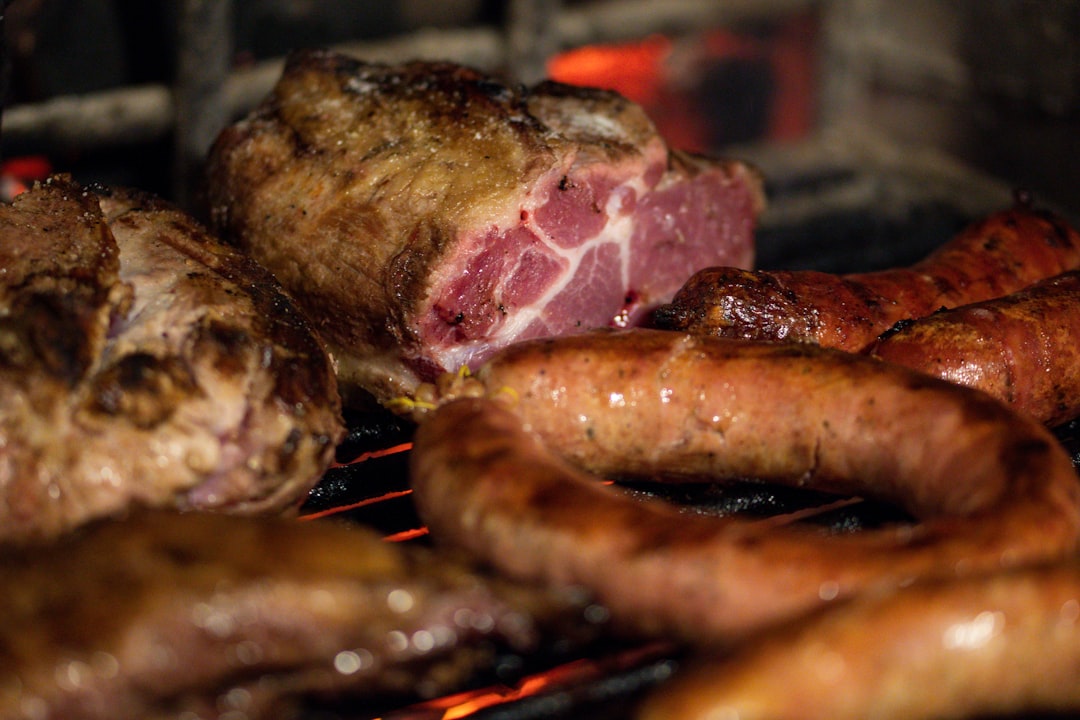
As the ground beef cooks, it will start to brown. This browning process, known as the Maillard reaction, is what gives the meat its rich, savory flavor. Make sure to cook the ground beef until it is thoroughly browned and cooked through. The internal temperature of the ground beef should reach at least 160°F (71°C) to ensure that any harmful bacteria are killed.
Once the ground beef is cooked, you can use it in a variety of recipes. It's a versatile ingredient that can be used in tacos, burgers, meatloaf, and pasta sauces. For example, in a classic spaghetti sauce, the cooked ground beef adds a hearty, meaty flavor. Simply combine the cooked beef with tomatoes, onions, garlic, and your favorite herbs and spices for a delicious and satisfying meal.
In conclusion, while the debate about rinsing ground beef may continue among home cooks, the experts agree that it's best to skip the rinse for the sake of food safety. By following proper cooking techniques, choosing high - quality meat, and adding the right seasonings, you can achieve both optimal flavor and food safety when cooking ground beef. So, the next time you're in the kitchen, put these tips to use and enjoy a delicious and safe meal.