Have you ever found yourself standing in the grocery store aisle, staring at the bottles of vegetable oil and containers of vegetable shortening, wondering if they're one and the same? It's a common question among home bakers and cooking enthusiasts. In this article, we'll delve into the world of oils in baking, explore the differences between vegetable oil and vegetable shortening, and discover suitable oil substitutes for your culinary adventures.
Let's start by understanding the role of oils in baking. Oils play a crucial part in creating moist, tender, and flavorful baked goods. They help to keep the texture soft and prevent the baked items from drying out. Unlike butter, which contains milk solids and water, oils are 100% fat. This pure fat content allows oils to coat the flour particles more effectively, resulting in a more tender crumb. Additionally, oils have a higher smoke point than butter, making them ideal for high - temperature baking and frying.
Now, let's address the question of whether vegetable oil is the same as vegetable shortening. Vegetable oil is a liquid fat derived from various plant sources such as soybeans, canola, corn, or sunflower seeds. It has a neutral flavor, which makes it a versatile ingredient in baking. It can be used in a wide range of recipes, from cakes and muffins to bread and cookies. On the other hand, vegetable shortening is a solid fat made from hydrogenated vegetable oils. The hydrogenation process turns the liquid oil into a solid form, which gives it a different texture and melting point compared to vegetable oil. Vegetable shortening has a higher melting point, which can result in a flakier texture in pastries and pie crusts. It also has a more neutral flavor than butter, which can be beneficial in some recipes where you don't want the butter flavor to overpower the other ingredients.
So, when should you use vegetable oil and when should you use vegetable shortening? If you're making a cake or a quick bread, vegetable oil is often the better choice. Its liquid form allows it to blend easily with other ingredients, resulting in a smooth batter. The neutral flavor of vegetable oil also won't interfere with the other flavors in the recipe. For example, if you're making a chocolate cake, the rich chocolate flavor will shine through without being masked by the taste of the oil. On the contrary, if you're making a pie crust or a flaky pastry, vegetable shortening is the way to go. Its solid form helps to create layers in the dough, resulting in a light and flaky texture. The high melting point of vegetable shortening also ensures that the crust holds its shape during baking.
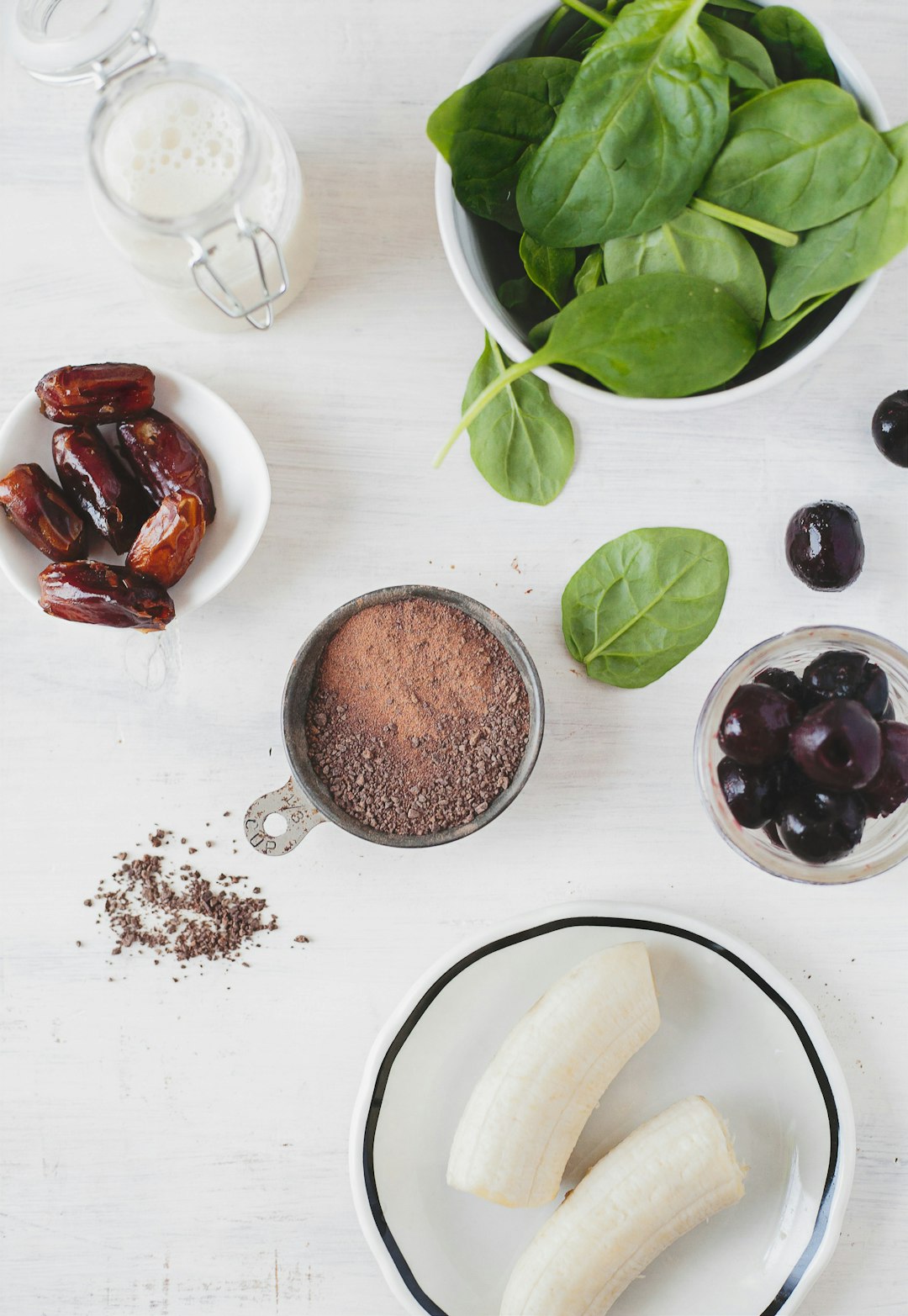
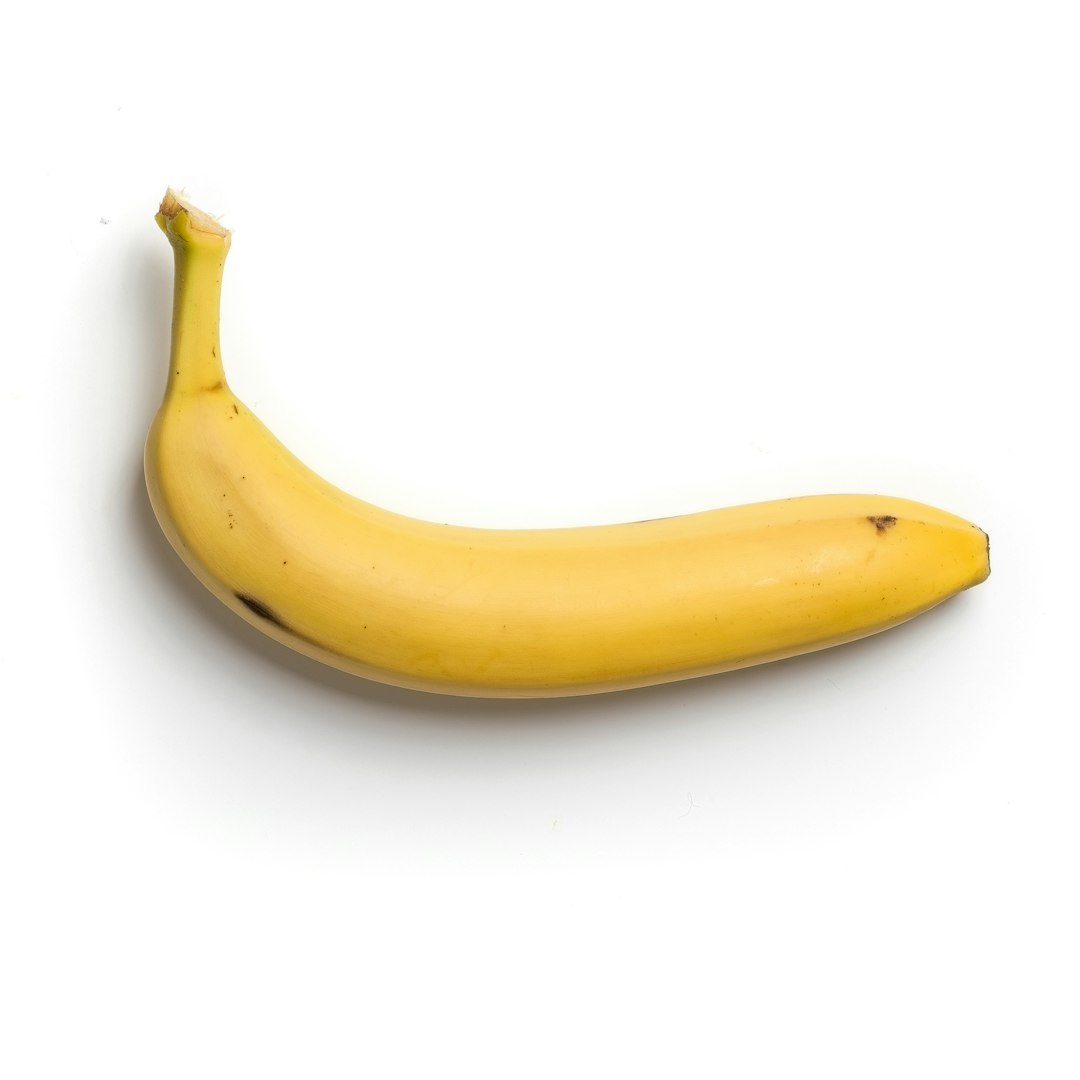
But what if you run out of vegetable oil or vegetable shortening? Don't worry; there are several suitable substitutes available. If you're out of vegetable oil, you can use melted butter as a substitute. Butter adds a rich, creamy flavor to the baked goods, but keep in mind that it has a lower smoke point than vegetable oil. So, if you're baking at a high temperature, the butter may burn. Another option is to use applesauce or mashed bananas. These fruit purees can add moisture to the baked goods and reduce the amount of fat in the recipe. However, they will also add a slight fruity flavor, so they're best used in recipes where this flavor won't be out of place, such as banana bread or apple muffins.
If you're looking for a substitute for vegetable shortening, you can use butter or margarine. Butter will add a delicious buttery flavor to the recipe, but it may not create as flaky a texture as vegetable shortening. Margarine, on the other hand, has a similar texture to vegetable shortening and can be used as a one - to - one replacement in most recipes. Another alternative is coconut oil. Coconut oil has a unique flavor that can add an interesting twist to your baked goods. It's solid at room temperature, similar to vegetable shortening, and can be used in recipes that call for a solid fat.
In conclusion, understanding the differences between vegetable oil and vegetable shortening and knowing their suitable substitutes is essential for successful baking. Whether you're a novice baker or an experienced chef, having this knowledge will allow you to experiment with different ingredients and create delicious, moist, and tender baked goods. So, the next time you're in the kitchen, don't be afraid to try out different oils and substitutes to take your baking to the next level.