The Secret to Irresistible Turkey Gravy for Your Holidays
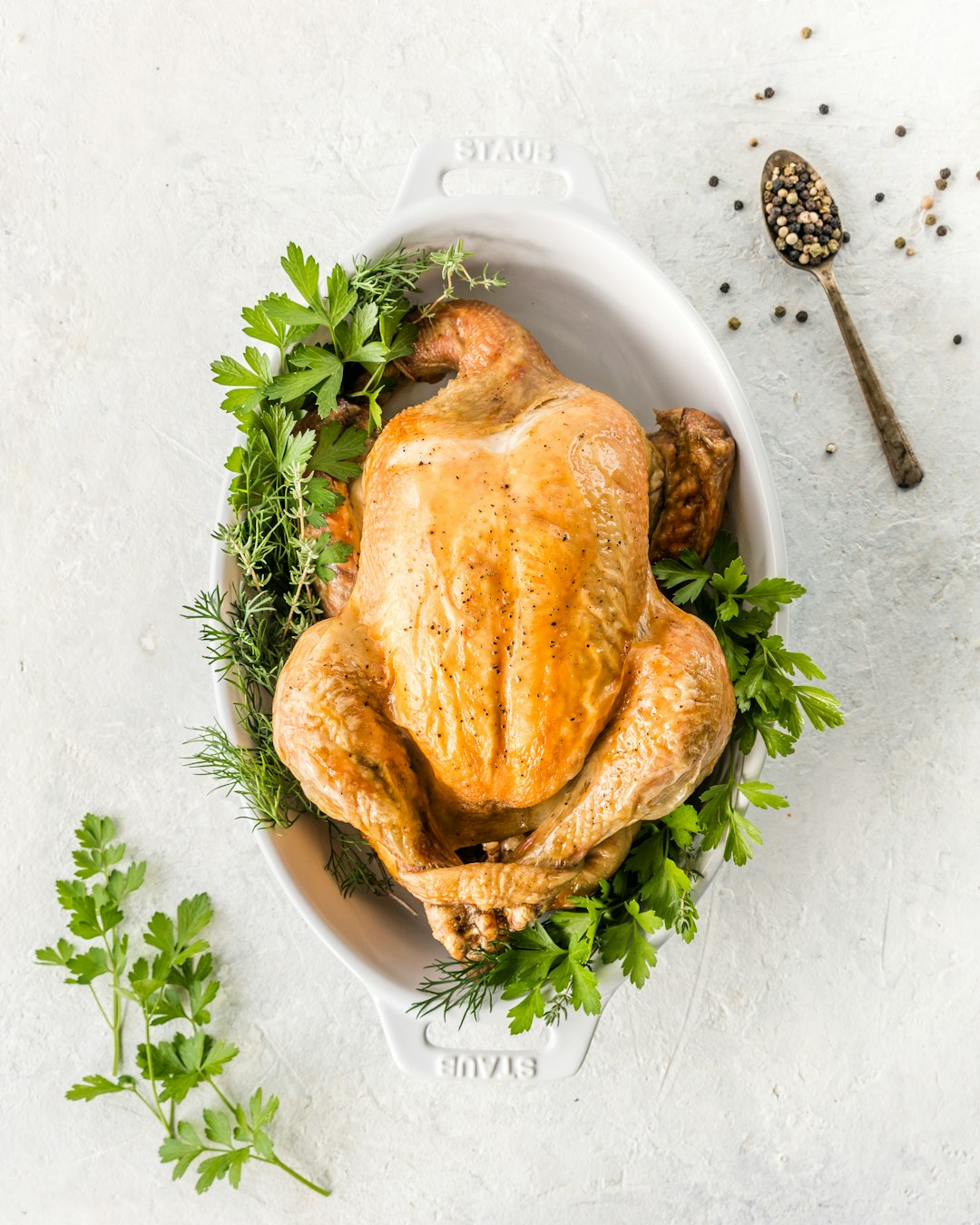
Thanksgiving is a time of warmth, family, and of course, a feast fit for a king. At the heart of this traditional meal often lies a succulent turkey, but what truly elevates the experience is the rich, flavorful turkey gravy. In this guide, we'll unveil our Test Kitchen's tried - and - true method for making the perfect turkey gravy using pan drippings, and share tips to ensure it's delicious every time, even when you don't have enough liquid in the pan.
Understanding the Basics of Turkey Gravy
Turkey gravy is more than just a sauce; it's a culmination of the turkey's flavors that have been released during the cooking process. The pan drippings, the browned bits left in the roasting pan, are the foundation of this delicious condiment. It's these drippings that give the gravy its depth and complexity. When you think about it, every drop of that pan juice holds the essence of the turkey, the herbs, and the spices used during roasting.
Preparing the Pan Drippings
Once your turkey is cooked to perfection, remove it from the roasting pan and place it on a carving board. Let it rest for about 15 - 20 minutes. This resting period not only allows the juices to redistribute within the turkey but also gives you time to prepare the gravy. Place the roasting pan on the stovetop over medium heat. You'll notice all those wonderful browned bits stuck to the bottom of the pan. These are what we call “fond”, and they're full of flavor. Pour in about 1/2 cup of water or turkey broth and use a wooden spoon to scrape up the fond. This process, called deglazing, is crucial as it releases all the flavors that have caramelized on the pan's surface. Keep stirring until all the bits are dissolved and incorporated into the liquid.
Making the Roux
A roux is a mixture of equal parts fat (usually butter) and flour, and it serves as a thickening agent for the gravy. In a separate saucepan, melt about 2 - 3 tablespoons of butter over medium heat. Once the butter is melted and bubbling, add an equal amount of all - purpose flour. Stir constantly with a whisk to prevent the flour from clumping. You'll notice the mixture starting to turn a light golden color. This is the roux, and it should have a smooth, paste - like consistency. Keep stirring for about 2 - 3 minutes to cook out the raw flour taste. The longer you cook the roux, the darker it will become, and the more nutty flavor it will develop.
Combining the Roux and Pan Drippings
Slowly pour the deglazed pan drippings into the saucepan with the roux, whisking constantly. This step is important to ensure that the gravy has a smooth texture without any lumps. As you pour in the liquid, you'll see the mixture start to thicken. If the gravy is too thick, you can add more broth or water, a little at a time, until you reach your desired consistency. If it's too thin, you can make a little more roux and whisk it into the gravy until it thickens.
Tips for When You Don't Have Enough Liquid
Sometimes, despite your best efforts, you may find that there aren't enough pan drippings. Don't worry! You can still make a delicious gravy. First, use high - quality turkey broth to supplement the liquid. You can also add a splash of white wine or apple cider for an extra layer of flavor. Another tip is to save the turkey neck and giblets (except the liver) and simmer them in water with some onions, carrots, and celery for a few hours to make your own turkey stock. This homemade stock will add a rich, authentic flavor to your gravy.
Seasoning the Gravy
Once the gravy has reached the right consistency, it's time to season it. Start with a little salt and pepper, and then taste. You can also add a pinch of dried thyme, sage, or rosemary to enhance the Thanksgiving flavors. Remember, it's always better to start with a small amount of seasoning and adjust according to your taste. You can also add a touch of cream or half - and - half for a richer, creamier texture.
Serving the Gravy
Transfer the gravy to a gravy boat and serve it alongside your roasted turkey, mashed potatoes, and other Thanksgiving sides. The warm, velvety gravy will be the perfect complement to your meal, adding a burst of flavor with every bite. And don't forget, you can use any leftover gravy to make delicious turkey potpies or to flavor your next batch of mashed potatoes.
In conclusion, making turkey gravy is a skill that can be mastered with a little practice. By following our Test Kitchen's method and using these tips, you'll be able to create a rich, delicious turkey gravy that will be the highlight of your Thanksgiving dinner for years to come.