In the world of culinary delights, few things can rival the universal appeal of pizza. A slice of well - crafted pizza, with its crispy crust, savory sauce, and a medley of toppings, is a comfort food that transcends cultures and ages. While there are countless pizza joints offering their signature pies, there's something truly special about making your own pizza dough from scratch. This homemade pizza dough recipe is so good that it might just outshine the crusts from your favorite pizza parlor.
Making pizza dough at home is not only a rewarding experience but also allows you to customize every aspect of your pizza. You can control the ingredients, ensuring a healthier and more personalized meal. Plus, there's a certain pride that comes with creating a delicious pizza from the ground up.
Let's start with the ingredients. For this recipe, you'll need 2 1/4 teaspoons of active dry yeast, 1 cup of warm water, 1 tablespoon of sugar, 2 tablespoons of olive oil, 3 cups of all - purpose flour, and 1 teaspoon of salt. The warm water should be around 110°F (43°C), as this is the ideal temperature for the yeast to activate. If the water is too hot, it will kill the yeast, and if it's too cold, the yeast won't work properly.
Begin by combining the warm water, sugar, and yeast in a small bowl. Stir gently and let it sit for about 5 - 10 minutes. You'll notice that the mixture will start to foam and bubble, which is a sign that the yeast is alive and active. This step is crucial as it kick - starts the fermentation process that gives the dough its light and airy texture.
Next, add the olive oil to the yeast mixture. The olive oil not only adds flavor but also helps to keep the dough moist and pliable. In a large mixing bowl, combine the flour and salt. Make a well in the center of the flour and pour in the yeast - oil mixture. Use a wooden spoon to gradually incorporate the flour into the liquid, stirring until a shaggy dough forms.
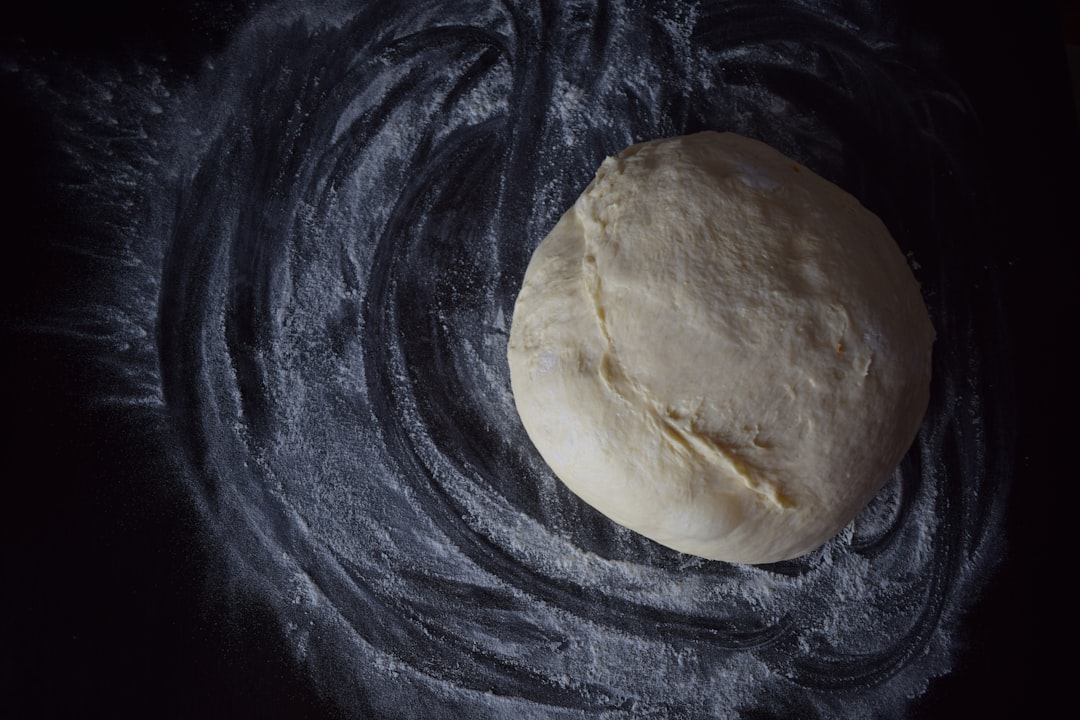
Once the dough starts to come together, turn it out onto a lightly floured surface. This is where the real magic happens - kneading. Kneading the dough is essential for developing the gluten in the flour, which gives the dough its structure and elasticity. Use the heels of your hands to push the dough away from you, then fold it back over itself and turn it a quarter - turn. Repeat this process for about 10 - 12 minutes, or until the dough is smooth and elastic. You can also use a stand mixer with a dough hook attachment for this step, which will save you some elbow grease.
After kneading, place the dough in a lightly oiled bowl. Cover the bowl with a damp cloth or plastic wrap and let it rise in a warm place for about 1 - 2 hours, or until it has doubled in size. The warm place could be near a sunny window or on top of the refrigerator. During this time, the yeast will continue to ferment, producing carbon dioxide gas that causes the dough to expand.
Once the dough has risen, punch it down to release the air bubbles. You can then divide the dough into two equal parts if you want to make two smaller pizzas or leave it as one large dough ball for a big pizza. Shape the dough into a round or rectangle, depending on your preference. You can use your hands to stretch and shape the dough, or you can roll it out with a rolling pin on a floured surface.
Preheat your oven to 475°F (246°C) and place a pizza stone or a baking sheet in the oven while it preheats. This will ensure that the pizza crust cooks evenly and gets nice and crispy. Transfer the shaped dough onto a lightly floured pizza peel or a piece of parchment paper. Add your favorite pizza sauce, cheese, and toppings. You can go classic with tomato sauce, mozzarella cheese, and pepperoni, or get creative with unique combinations like pesto, goat cheese, and arugula.
Slide the pizza onto the preheated pizza stone or baking sheet in the oven. Bake for about 10 - 15 minutes, or until the crust is golden brown and the cheese is melted and bubbly. Keep an eye on the pizza as it bakes, and you might need to rotate it halfway through to ensure even cooking.
Once the pizza is done, remove it from the oven and let it cool for a few minutes before slicing. The result is a mouth - watering, homemade pizza with a crust that is crispy on the outside and soft and chewy on the inside. You'll be amazed at how much better homemade pizza dough tastes compared to store - bought pizza bases.
So, the next time you're craving pizza, don't reach for the phone to order takeout. Instead, roll up your sleeves and try this homemade pizza dough recipe. You'll not only enjoy a delicious meal but also create a memorable experience in the kitchen. Who knows, you might even become the neighborhood pizza master!